Who is a Lung Doctor?
A Lung Doctor, also called a Pulmonologist, is a specialist who diagnoses and treats problems with the lungs and breathing. They help people with conditions like asthma, tuberculosis, chronic cough, and difficulty breathing. If you or someone you know has been struggling with breathing problems or a long-lasting cough, a Lung Doctor is the right specialist to see.
Duties and Responsibilities of a Lung Doctor
When to See a Lung Doctor
You should consider booking an consultation if you are experiencing any of the following symptoms or conditions:
- Persistent cough lasting more than 3 weeks
- Coughing up blood or blood-stained mucus
- Shortness of breath during everyday activities
- Wheezing or noisy breathing that does not go away
- Chest tightness or pain when breathing
- Diagnosed or suspected tuberculosis (TB)
- Frequent chest infections that keep coming back
- Waking up at night gasping for air or feeling unable to breathe
- Unexplained weight loss alongside breathing problems
- Smoking history with a new or worsening cough
Conditions & Visit Reasons
Select a specific condition to learn more or search for specialists offering directed therapy plans:
Types of Lung Doctor Specialists
Tuberculosis (TB) Care
Specialises in diagnosing and treating tuberculosis, including drug-resistant TB, which remains one of the most common serious lung infections in West Africa.
Asthma & Allergic Lung Disease
Focuses on managing asthma and allergic conditions that cause breathing difficulties, including identifying triggers such as dust, smoke, and air pollution common in the region.
Chronic Obstructive Pulmonary Disease (COPD)
Deals with long-term lung conditions like chronic bronchitis and emphysema, often linked to smoking, indoor cooking smoke, or occupational dust exposure.
Respiratory Infections
Covers the diagnosis and treatment of serious lung infections such as pneumonia, lung abscess, and fungal infections of the lungs.
Sleep Medicine
Addresses sleep-related breathing problems, particularly obstructive sleep apnoea, where breathing repeatedly stops during sleep and disrupts rest.
Critical Care & Respiratory Failure
Manages patients with severe breathing failure who need intensive support, including oxygen therapy or mechanical ventilation in a hospital setting.
Lung Cancer & Chest Tumours
Focuses on detecting and managing cancers and abnormal growths affecting the lungs and chest, including performing procedures to sample tissue for diagnosis.
What to Expect at Your Appointment
At your first visit, the Lung Doctor will ask about your symptoms, how long you have had them, and your general health history, including whether you smoke or have been exposed to dust or fumes. They will listen to your chest and may arrange a breathing test, chest X-ray, or blood tests to get a clearer picture of what is going on. There is nothing to worry about — the appointment is straightforward, and the doctor will explain everything to you in simple terms.
Training & Education Credentials
A Lung Doctor first completes a medical degree followed by several years of specialist training in internal medicine and then pulmonology. In Ghana and across West Africa, they are typically certified by the West African College of Physicians or an equivalent recognised medical body.
Frequently Asked Questions
How much does it cost to see a lung doctor in Ghana?
The cost of seeing a lung doctor (pulmonologist) in Ghana varies depending on the hospital or clinic. At a government hospital, fees are generally lower and may be partly covered by the National Health Insurance Scheme (NHIS). Private clinics tend to charge more, so it is a good idea to call ahead and ask about consultation fees before your visit.
What should I bring to my appointment with a lung doctor?
Bring your NHIS card or any health insurance documents, a valid ID, and any previous medical records or test results related to your breathing or chest problems. If you have been taking any medicines, bring them along or write down their names and doses. This helps the doctor understand your health history and give you the best care.
How do I prepare for my first visit to a lung doctor?
Before your appointment, write down your symptoms — such as when your cough started, how often you feel short of breath, or anything that makes your breathing worse. Try to avoid smoking for at least a few hours before the visit, as this can affect some breathing tests. Arrive a little early so you have time to fill in any forms at the clinic.
When should I go to the hospital urgently for a breathing problem?
Go to the hospital right away if you are struggling to breathe, your lips or fingertips are turning blue, you are coughing up blood, or you have severe chest pain. These are warning signs that need immediate attention and should not be managed at home. Do not wait for a scheduled appointment — go to the nearest emergency unit.
What kinds of conditions does a lung doctor treat?
A lung doctor treats problems that affect your breathing and lungs, such as asthma, tuberculosis (TB), chronic cough, pneumonia, and COPD (a long-term condition that makes it hard to breathe). They also help people who snore heavily or stop breathing during sleep, a condition called sleep apnoea. If your regular doctor has not been able to sort out your breathing problem, a lung doctor can do more detailed tests and treatment.
Book a Lung Doctor
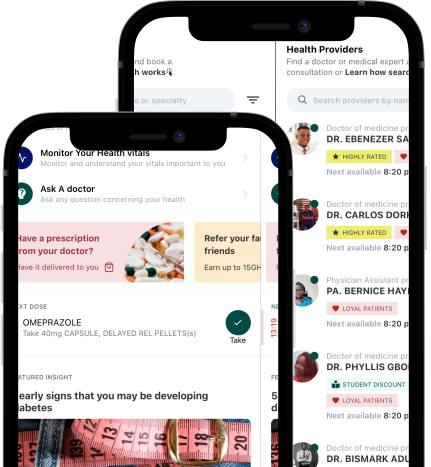
Find verified board-certified Lung Doctors on DrDoGood. Compare reviews, check real-time availability, and schedule your appointment online.
All practitioners on DrDoGood are thoroughly vetted for credentials, licensing, and patient satisfaction histories.
Your doctor is only an appointment away.
Feeling unwell? Our friendly healthcare professionals are here to listen, advise, and care for you. Just open the app for quick, expert help. No stress, no fuss.