Understanding Jaw Correction
Jaw correction refers to treatment for problems affecting how your jaw moves, aligns, or feels — including pain, stiffness, or a bite that does not fit together properly. Many people in Ghana and West Africa experience jaw problems due to injury, teeth grinding, or conditions that develop over time. Seeing a doctor early can help relieve your discomfort and prevent the problem from getting worse.
Common Symptoms / Concerns for Jaw Correction
When to Seek Professional Care
Book an evaluation with a healthcare provider immediately if you experience or present with:
- Jaw locked open or shut and you cannot move it
- Severe pain in your jaw that does not go away after a day or two
- Swelling on your jaw or face that is getting bigger
- You cannot open your mouth wide enough to eat or drink
- Jaw pain after a fall, accident, or blow to the face
- Numbness or tingling in your jaw, lips, or chin
- Difficulty breathing or swallowing along with jaw pain
What to Expect During Your Medical Consultation
At your appointment, the doctor will ask you about your symptoms — how long you have had them, what makes the pain better or worse, and whether you have had any injuries. They will gently examine your jaw, check how it moves, and may press around the joint to find where it hurts. In some cases, the doctor may request an X-ray or scan to get a clearer picture of your jaw before recommending the right treatment for you.
Medical Divisions Vetted for Jaw Correction
Our platform supports multiple clinical specialties capable of providing consultations for this visit type:
Mouth & Jaw Surgeon
Clinicians available for jaw correction consultations.
Frequently Asked Questions
What causes jaw problems that need correction?
Jaw problems can be caused by many things, including teeth grinding at night, a past injury or accident, an uneven bite, or arthritis in the jaw joint. Sometimes stress causes people to clench their jaw without realising it, which puts strain on the joint over time. In some cases, the jaw may not have developed evenly during childhood, which can affect how it works in adulthood.
Can I treat jaw pain at home, or do I need to see a doctor?
Mild jaw discomfort can sometimes be eased at home by eating soft foods, applying a warm cloth to the side of your face, and avoiding chewing gum or hard foods. However, if the pain is severe, has lasted more than a few days, or your jaw is locking or swelling, you should see a doctor as soon as possible. Home remedies can help with minor discomfort but cannot fix the underlying cause of a serious jaw problem.
What treatment options are available for jaw correction?
Treatment depends on what is causing the problem. A doctor may recommend pain relief, a mouth guard to wear at night, or exercises to strengthen the jaw muscles. For more serious cases, a specialist may suggest dental work to correct your bite, or in rare situations, a small procedure or surgery to repair the jaw joint. Your doctor will explain the best option for your specific situation.
Is jaw correction surgery common, and is it safe?
Most people with jaw problems do not need surgery — many cases are treated successfully with simpler methods like a mouth guard, physiotherapy, or medication. Surgery is only recommended when other treatments have not worked or when the jaw structure itself needs to be corrected. When surgery is needed, it is performed by a trained specialist and is generally safe, though your doctor will discuss all the risks and benefits with you beforehand.
How can I prevent jaw problems from coming back?
You can reduce the risk of jaw problems returning by avoiding habits like chewing on one side only, grinding your teeth, or clenching your jaw when stressed. Wearing a mouth guard at night if you grind your teeth can protect your jaw joint. Eating a balanced diet, managing stress, and attending regular dental check-ups also help keep your jaw healthy in the long term.
Schedule Consultations
Get connected with local doctors. Instantly schedule appointments for Jaw Correction on our HIPAA-compliant, telehealth-enabled platform.
Our guides are reviewed by internal medical advisory boards to uphold patient guidelines and reference certified therapies.
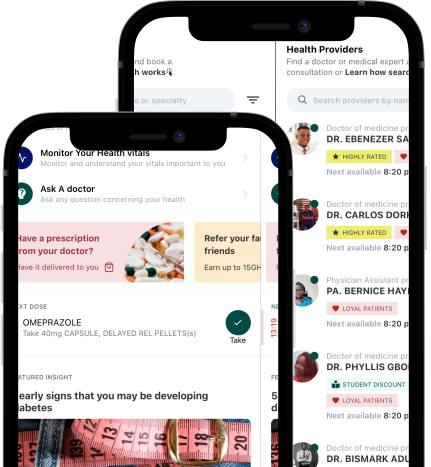
Your doctor is only an appointment away.
Feeling unwell? Our friendly healthcare professionals are here to listen, advise, and care for you. Just open the app for quick, expert help. No stress, no fuss.