Who is a Mouth & Jaw Surgeon?
A Mouth & Jaw Surgeon (also called an Oral and Maxillofacial Surgeon) is a specialist who treats problems affecting the mouth, teeth, jaws, and face. They carry out surgical procedures such as removing difficult teeth, placing dental implants, treating jaw injuries, and correcting problems with the face and jaw bones. If you have a serious dental or facial problem that a regular dentist cannot handle, a Mouth & Jaw Surgeon is the right specialist to see.
Duties and Responsibilities of a Mouth & Jaw Surgeon
When to See a Mouth & Jaw Surgeon
You should consider booking an consultation if you are experiencing any of the following symptoms or conditions:
- Severe toothache that does not go away with normal treatment
- A tooth that is stuck in the gum and has not come out properly
- Swelling or pain in the jaw, face, or neck
- A broken or dislocated jaw after an accident or injury
- Difficulty opening or closing your mouth
- A lump, sore, or unusual growth inside the mouth that does not heal
- Missing teeth and you want a permanent replacement
- Teeth that are very crowded or a jaw that does not line up properly
- Repeated infections or abscesses in the mouth or gums
- A child born with a cleft lip or cleft palate needing surgical correction
Conditions & Visit Reasons
Select a specific condition to learn more or search for specialists offering directed therapy plans:
Types of Mouth & Jaw Surgeon Specialists
Dentoalveolar Surgery
Involves surgical procedures on the teeth and surrounding bone, including tooth extractions, removal of impacted wisdom teeth, and treatment of dental infections.
Facial Trauma Surgery
Focuses on repairing injuries to the face, jaw, and mouth caused by accidents, falls, or violence, including broken facial bones and lacerations.
Orthognathic (Jaw Correction) Surgery
Corrects misaligned jaws and bite problems that cannot be fixed with braces alone, improving both function and facial appearance.
Head and Neck Oncology
Deals with the diagnosis and surgical treatment of tumours and cancers affecting the mouth, jaw, salivary glands, and surrounding structures of the head and neck.
Cleft Lip and Palate Surgery
Repairs congenital (birth) defects of the lip and roof of the mouth to restore normal appearance, speech, and eating ability in children.
Temporomandibular Joint (TMJ) Surgery
Treats disorders of the jaw joint that cause pain, clicking, or difficulty opening and closing the mouth, using both non-surgical and surgical approaches.
Implant Surgery
Places artificial tooth roots (dental implants) into the jawbone to support replacement teeth, restoring the ability to chew and improving the appearance of missing teeth.
What to Expect at Your Appointment
At your first visit, the Mouth & Jaw Surgeon will ask about your symptoms, how long you have had them, and your general health history. They will carefully examine your mouth, teeth, jaw, and face, and may take X-rays or scans to get a clear picture of the problem. The doctor will then explain what they found and discuss the best treatment options with you in a calm and straightforward way.
Training & Education Credentials
A Mouth & Jaw Surgeon completes a dental or medical degree followed by a specialist surgical residency of four to six years in oral and maxillofacial surgery. In Ghana and West Africa, specialists may be certified by the West African College of Surgeons (WACS) or the Ghana College of Physicians and Surgeons, confirming they have met the required standards of training and practice.
Frequently Asked Questions
How much does treatment with a Mouth & Jaw Surgeon cost in Ghana?
The cost of oral and maxillofacial surgery in Ghana varies depending on the procedure. A simple tooth extraction may cost between GHS 150–500, while more complex procedures like dental implants or jaw surgery can range from GHS 2,000 to GHS 10,000 or more. It is best to ask your surgeon for a detailed quote before your appointment. Some procedures may be partially covered by the National Health Insurance Scheme (NHIS), so check your eligibility.
What should I bring to my appointment with a Mouth & Jaw Surgeon?
Bring a valid photo ID, your NHIS card or any private health insurance documents, and any referral letters from your dentist or general doctor. If you have had previous X-rays, scans, or dental records, bring those as well so the surgeon can review your history. It is also helpful to write down any medications you are currently taking, including herbal remedies, and any allergies you have.
How do I prepare for jaw or tooth surgery?
Your surgeon will give you specific instructions before the procedure, but generally you should avoid eating or drinking for at least 6–8 hours before surgery if you will be under general anaesthesia. Arrange for a trusted person to drive you home after the procedure, as you may feel drowsy from the anaesthesia or sedation. Avoid alcohol and smoking for at least 24 hours before surgery, as these can affect healing and increase the risk of complications.
When should I seek urgent care from a Mouth & Jaw Surgeon?
Seek urgent care if you experience severe, uncontrolled bleeding in or around your mouth, a jaw injury after an accident or trauma, or rapidly spreading swelling in your face or neck. A painful swelling that makes it difficult to open your mouth, swallow, or breathe is a medical emergency and requires immediate attention. Do not wait for a scheduled appointment if you have any of these symptoms — go to the nearest hospital or emergency unit right away.
Will the procedure be painful?
Most oral and maxillofacial procedures are performed under local anaesthesia, sedation, or general anaesthesia, so you should not feel pain during the surgery itself. After the procedure, some soreness, swelling, and discomfort are normal and can usually be managed with prescribed pain medication. Your surgeon will advise you on what to expect during recovery and how to keep any discomfort to a minimum. If you experience severe or worsening pain after surgery, contact your surgeon promptly.
Book a Mouth & Jaw Surgeon
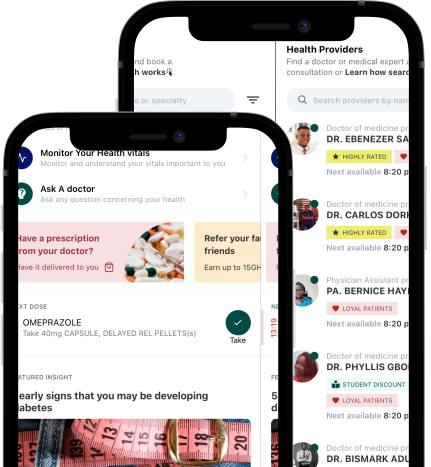
Find verified board-certified Mouth & Jaw Surgeons on DrDoGood. Compare reviews, check real-time availability, and schedule your appointment online.
All practitioners on DrDoGood are thoroughly vetted for credentials, licensing, and patient satisfaction histories.
Your doctor is only an appointment away.
Feeling unwell? Our friendly healthcare professionals are here to listen, advise, and care for you. Just open the app for quick, expert help. No stress, no fuss.