Understanding Nasal Congestion
Nasal congestion — also called a blocked or stuffy nose — happens when the inside of your nose becomes swollen or fills with mucus, making it hard to breathe freely. It is one of the most common reasons people visit a doctor, and it can be caused by a cold, an allergy, a sinus infection, or even dry or dusty air. If your blocked nose is making it difficult to sleep, eat, or go about your day, a doctor can help find the cause and get you feeling better quickly.
Common Symptoms / Concerns for Nasal Congestion
When to Seek Professional Care
Book an evaluation with a healthcare provider immediately if you experience or present with:
- Fever above 39°C that does not come down with paracetamol
- Difficulty breathing that gets worse quickly or does not improve
- Thick green or blood-stained mucus lasting more than a week
- Severe pain or swelling around your eyes, forehead, or cheeks
- Stiff neck or sensitivity to bright light alongside a blocked nose
- Symptoms in a baby under 3 months old — seek care right away
- Nasal congestion that has lasted more than 10 days without improvement
- Sudden loss of vision or swelling around one or both eyes
What to Expect During Your Medical Consultation
When you see a doctor for a blocked nose, they will start by asking you a few simple questions — how long you have had the symptoms, whether you have a fever, and if anyone around you has been unwell. They will gently examine your nose, throat, and ears to look for signs of infection or swelling. In most cases no special tests are needed, but if your symptoms have lasted a long time or keep coming back, the doctor may arrange a simple check to find out what is causing the problem.
Medical Divisions Vetted for Nasal Congestion
Our platform supports multiple clinical specialties capable of providing consultations for this visit type:
Ear, Nose & Throat Doctor
Clinicians available for nasal congestion consultations.
Related Conditions
Conditions commonly associated with Nasal Congestion consultations:
Headache
Also known as: cephalgia, dolor capitis, ha, head ache, head pain
Cough
Frequently Asked Questions
What causes nasal congestion?
Nasal congestion happens when the inside of your nose becomes swollen and blocked. Common causes include colds, flu, sinus infections, and allergies to dust, pollen, or animal fur. In Ghana and West Africa, the dry and dusty harmattan season is a very common trigger. Smoke from cooking fires and air pollution can also block your nose.
Can I treat nasal congestion at home, and when should I see a doctor?
Yes, many cases of nasal congestion can be managed at home by drinking plenty of water, breathing in steam, and resting. Using a clean cloth soaked in warm water over your face can also help open up your nose. You should see a doctor if your symptoms last more than 10 days, if you have a high fever, severe headache, or pain around your eyes and cheeks, or if a child under 3 months is affected.
What medicines or treatments are available for nasal congestion?
Saline (salt water) nasal sprays or drops are a safe and affordable way to rinse and clear your nose. Decongestant medicines available at pharmacies can reduce swelling inside the nose, but should not be used for more than 3 days in a row. If your congestion is caused by allergies, antihistamine tablets can help. Always ask a pharmacist or doctor before giving any medicine to young children.
Can nasal congestion be a sign of something more serious?
Most of the time, nasal congestion is caused by a simple cold or allergy and gets better on its own. However, it can sometimes be a sign of a sinus infection, nasal polyps (small growths inside the nose), or in rare cases, a more serious condition. See a doctor if your congestion keeps coming back, if only one side of your nose is always blocked, or if you notice blood in your mucus or lose your sense of smell for a long time.
How can I prevent nasal congestion?
During the harmattan season, try to cover your nose and mouth with a cloth or mask when outdoors to reduce dust exposure. Keep your home well-ventilated and avoid smoking or being around smoke. Washing your hands regularly helps prevent the colds and infections that cause a blocked nose. If you have known allergies, try to stay away from the things that trigger them, such as dust, pollen, or certain animals.
Schedule Consultations
Get connected with local doctors. Instantly schedule appointments for Nasal Congestion on our HIPAA-compliant, telehealth-enabled platform.
Our guides are reviewed by internal medical advisory boards to uphold patient guidelines and reference certified therapies.
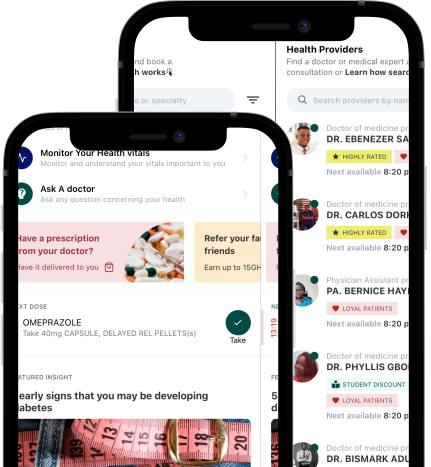
Your doctor is only an appointment away.
Feeling unwell? Our friendly healthcare professionals are here to listen, advise, and care for you. Just open the app for quick, expert help. No stress, no fuss.