Understanding Neurological (Botox, IFN, Trigger Point) Injections
Neurological injections — including Botox (botulinum toxin), interferon (IFN), and trigger point injections — are treatments where a doctor injects medicine directly into specific muscles, nerves, or painful spots in the body to relieve pain or treat certain nerve-related conditions. People in Ghana and West Africa visit a doctor for these injections to manage conditions like chronic headaches, migraines, muscle spasms, or persistent pain that has not improved with tablets or other treatments. A specialist will assess your condition and decide which type of injection is right for you.
Common Symptoms / Concerns for Neurological (Botox, IFN, Trigger Point) Injections
When to Seek Professional Care
Book an evaluation with a healthcare provider immediately if you experience or present with:
- Sudden, severe headache described as the worst of your life
- Muscle weakness or paralysis that comes on quickly
- Difficulty swallowing, speaking, or breathing after an injection
- Signs of infection at the injection site — redness, swelling, pus, or fever
- Severe allergic reaction such as rash, swelling of the face, or difficulty breathing
- Vision changes or double vision following a head or neck injection
- Pain that is rapidly getting worse despite treatment
- Loss of bladder or bowel control alongside back or nerve pain
What to Expect During Your Medical Consultation
When you visit the doctor for neurological injections, they will ask you about your symptoms, how long you have had them, and what treatments you have already tried. The doctor will examine the affected area — checking your muscles, reflexes, and the specific spots causing pain — and may request tests such as a scan or blood work before proceeding. The injection itself is usually quick, and the doctor will explain what to expect afterwards, including any temporary soreness and how soon you should start to feel relief.
Medical Divisions Vetted for Neurological (Botox, IFN, Trigger Point) Injections
Our platform supports multiple clinical specialties capable of providing consultations for this visit type:
Urinary & Kidney Doctor
Clinicians available for neurological (botox, ifn, trigger point) injections consultations.
Related Conditions
Conditions commonly associated with Neurological (Botox, IFN, Trigger Point) Injections consultations:
Erectile dysfunction (ED)
Also known as: Impotence, Difficulty getting or maintaining an erection, Erectile issues, Male sexual dysfunction, Erection problems
Frequently Asked Questions
What conditions are treated with neurological injections like Botox or trigger point injections?
These injections are used to treat a range of conditions including chronic migraines, tension headaches, muscle spasms, nerve pain, and painful muscle knots called trigger points. Botox injections are also used for conditions like excessive sweating, eye twitching, and certain movement disorders. Your doctor will assess your specific condition to decide if an injection is the right treatment for you.
Are these injections painful, and is it safe to have them done?
Most patients feel only a small pinch or mild discomfort during the injection, which usually lasts just a few seconds. The procedure is generally safe when performed by a trained medical professional. Some people experience temporary soreness or bruising at the injection site, but serious side effects are uncommon.
Can I use home remedies instead of getting an injection for my muscle pain or headaches?
Mild muscle pain or occasional headaches can sometimes be managed at home with rest, warm compresses, paracetamol, or gentle stretching. However, if your pain is severe, keeps coming back, or has not improved after trying home remedies for several weeks, you should see a doctor. Neurological injections are recommended when other treatments have not provided enough relief.
How long does it take for the injection to work, and how long will the effect last?
The time it takes to feel relief depends on the type of injection. Trigger point injections may provide relief within a few days, while Botox injections for migraines or muscle spasms can take one to two weeks to show full effect. The benefits typically last between two and six months, after which a repeat injection may be needed.
How can I prevent my condition from getting worse while waiting for treatment?
While waiting for your appointment, try to avoid activities that trigger or worsen your pain, stay hydrated, and get enough rest. Managing stress through relaxation techniques can also help reduce the frequency of headaches and muscle spasms. Follow any advice your doctor has already given you, and do not delay seeking care if your symptoms suddenly worsen.
Schedule Consultations
Get connected with local doctors. Instantly schedule appointments for Neurological (Botox, IFN, Trigger Point) Injections on our HIPAA-compliant, telehealth-enabled platform.
Our guides are reviewed by internal medical advisory boards to uphold patient guidelines and reference certified therapies.
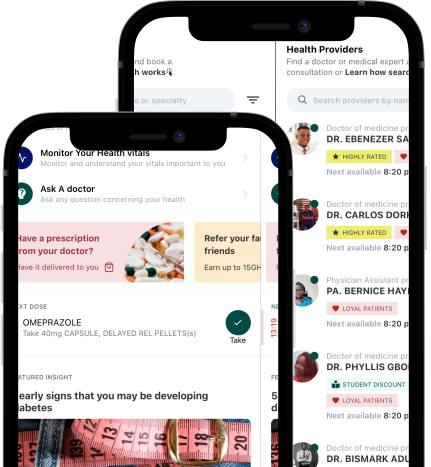
Your doctor is only an appointment away.
Feeling unwell? Our friendly healthcare professionals are here to listen, advise, and care for you. Just open the app for quick, expert help. No stress, no fuss.