Who is a Urinary & Kidney Doctor?
A Urinary & Kidney Doctor — called a Nephrologist (kidney specialist) or Urologist (urinary tract specialist) — diagnoses and treats problems affecting the kidneys, bladder, and urinary system, as well as the male reproductive organs. In Ghana and across West Africa, kidney disease, urinary tract infections, and prostate problems are among the most common reasons patients visit this specialist. If you are experiencing pain when passing urine, swollen legs, or difficulty urinating, this is the right doctor to see.
Duties and Responsibilities of a Urinary & Kidney Doctor
When to See a Urinary & Kidney Doctor
You should consider booking an consultation if you are experiencing any of the following symptoms or conditions:
- Burning pain or stinging when passing urine
- Blood in the urine
- Difficulty or pain starting to urinate
- Frequent urge to urinate, especially at night
- Swelling in the legs, ankles, or face
- Pain in the lower back or sides (possible kidney stones)
- Urine that looks cloudy, dark, or foamy
- High blood pressure that is hard to control
- Weak urine flow or feeling the bladder is not fully empty
- A diagnosis of diabetes or high blood pressure with concern about kidney health
Conditions & Visit Reasons
Select a specific condition to learn more or search for specialists offering directed therapy plans:
Conditions Treated
Common conditions that a Urinary & Kidney Doctor can diagnose, manage, or treat:
Erectile dysfunction (ED)
Also known as: Impotence, Difficulty getting or maintaining an erection, Erectile issues, Male sexual dysfunction, Erection problems
Types of Urinary & Kidney Doctor Specialists
General Urology
Covers a wide range of urinary tract and male reproductive conditions, including infections, kidney stones, and bladder problems.
General Nephrology
Focuses on diagnosing and managing kidney diseases such as chronic kidney disease, kidney failure, and protein in the urine.
Paediatric Urology
Specialises in urinary and reproductive conditions in children, such as bedwetting, undescended testes, and birth defects of the urinary system.
Paediatric Nephrology
Cares for children with kidney diseases, including inherited kidney conditions, kidney inflammation, and high blood pressure related to the kidneys.
Transplant Nephrology
Manages patients who have received a kidney transplant, helping to prevent rejection and keep the new kidney working well.
Uro-Oncology
Diagnoses and treats cancers of the urinary system and male reproductive organs, including prostate, bladder, and kidney cancer.
Female Urology & Urogynecology
Addresses urinary problems specific to women, such as leaking urine (incontinence), recurrent bladder infections, and pelvic organ prolapse.
Endourology & Stone Disease
Uses minimally invasive procedures to remove or break up kidney and bladder stones without the need for open surgery.
Male Reproductive Health
Deals with male fertility issues, erectile dysfunction, and conditions affecting the testes and prostate gland.
Dialysis & Renal Replacement Therapy
Provides care for patients whose kidneys have stopped working, using dialysis machines or other methods to clean the blood.
What to Expect at Your Appointment
At your first appointment, the doctor will ask about your symptoms, medical history, and any medicines you are taking. They will check your blood pressure, examine your abdomen, and may ask for urine and blood tests to see how well your kidneys are working. There is nothing to be afraid of — the visit is straightforward, and the doctor will explain every step and what the results mean for you.
Training & Education Credentials
A Urinary & Kidney Doctor completes a medical degree followed by several years of specialist training in nephrology or urology, typically totalling 8–12 years of education and supervised practice. In Ghana, specialists are certified by the Ghana College of Physicians and Surgeons or hold equivalent international board certification.
Frequently Asked Questions
How much does it cost to see a urinary and kidney doctor in Ghana?
The cost of seeing a urologist in Ghana varies depending on the hospital or clinic you visit. At a government hospital, consultation fees are generally lower and may be covered partly by the National Health Insurance Scheme (NHIS). Private clinics and specialist hospitals tend to charge more, so it is a good idea to call ahead and ask about fees before your visit. Bringing your NHIS card, if you have one, can help reduce your out-of-pocket costs.
Do I need a referral before seeing a urinary and kidney doctor?
In most government hospitals in Ghana, you will need a referral from a general doctor or a health centre before you can see a specialist like a urologist. However, at many private clinics and specialist hospitals, you can book an appointment directly without a referral. If you are unsure, call the hospital or clinic first to find out their process. Having a referral letter can also help the specialist understand your health history more quickly.
What should I bring to my appointment with a urinary and kidney doctor?
Bring your NHIS card, any previous medical records or test results related to your condition, and a list of any medicines you are currently taking. If you have had urine or blood tests done recently, bring those results along as well. It also helps to write down your symptoms beforehand, including when they started and how often they occur. Arriving a little early gives you time to complete any paperwork at the hospital.
How do I prepare for my first visit to a urinary and kidney doctor?
Before your appointment, try to drink water normally and avoid urinating for about an hour before you arrive, as the doctor may need a urine sample. Write down all the symptoms you have been experiencing, even ones that seem minor, so you do not forget to mention them. Be ready to answer questions about your diet, how much water you drink each day, and any pain or discomfort you feel. Wearing comfortable clothing makes it easier if the doctor needs to examine your abdomen or lower back.
When should I go to the hospital urgently for a urinary or kidney problem?
You should seek urgent care right away if you have severe pain in your back or side that does not go away, blood in your urine, or if you are unable to pass urine at all. A high fever combined with pain when urinating can be a sign of a serious kidney infection that needs immediate treatment. Swelling in your legs or face, along with reduced urination, may also be a warning sign of a kidney problem. Do not wait — go to the nearest hospital or emergency unit as soon as possible if you notice any of these signs.
Book a Urinary & Kidney Doctor
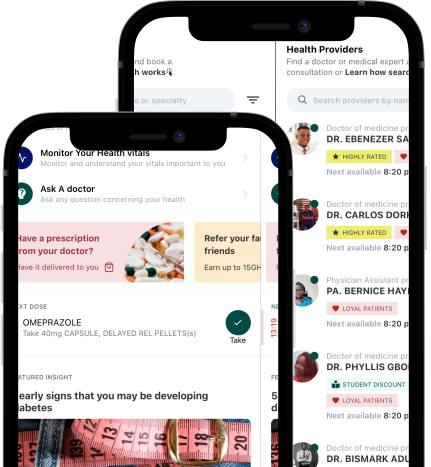
Find verified board-certified Urinary & Kidney Doctors on DrDoGood. Compare reviews, check real-time availability, and schedule your appointment online.
All practitioners on DrDoGood are thoroughly vetted for credentials, licensing, and patient satisfaction histories.
Available Urinary & Kidney Doctors
Schedule visits with these verified medical providers:
Dr. Stephen Nyarkoh
Urinary & Kidney Doctor
Good boy
Your doctor is only an appointment away.
Feeling unwell? Our friendly healthcare professionals are here to listen, advise, and care for you. Just open the app for quick, expert help. No stress, no fuss.