Understanding Oral Cancer
Oral cancer is a type of cancer that grows in the mouth — including the lips, tongue, gums, inner cheeks, and throat. It can cause painful sores, lumps, or changes in the mouth that do not go away on their own. If you notice anything unusual in your mouth that has lasted more than a few weeks, it is important to see a doctor so it can be checked and treated early.
Common Symptoms / Concerns for Oral Cancer
When to Seek Professional Care
Book an evaluation with a healthcare provider immediately if you experience or present with:
- A mouth sore or ulcer that has not healed after 3 weeks
- A lump in your mouth, jaw, or neck that is growing or does not go away
- Difficulty swallowing or opening your mouth fully
- Unexplained bleeding in the mouth that keeps coming back
- Numbness in the mouth, tongue, or lips that has no clear cause
- Sudden unexplained weight loss alongside mouth symptoms
- A white or red patch in the mouth that has been there for more than 2 weeks
What to Expect During Your Medical Consultation
When you visit the doctor, they will ask you about your symptoms — how long they have been there, whether you use tobacco or drink alcohol, and your general health history. The doctor will then carefully examine the inside of your mouth, your tongue, gums, and the lymph nodes in your neck to look for any unusual changes. If they find something that needs further investigation, they may take a small tissue sample (called a biopsy) or request a scan — these steps help the doctor understand what is happening so you can get the right care.
Medical Divisions Vetted for Oral Cancer
Our platform supports multiple clinical specialties capable of providing consultations for this visit type:
Mouth & Jaw Surgeon
Clinicians available for oral cancer consultations.
Frequently Asked Questions
What causes oral cancer?
Oral cancer is mainly caused by using tobacco products like cigarettes, cigars, or chewing tobacco. Drinking a lot of alcohol, especially combined with tobacco, also greatly increases the risk. In some parts of West Africa, chewing betel nut or kola nut can also raise your chances of developing oral cancer. Avoiding these habits is one of the best ways to protect yourself.
Can oral cancer be cured if it is found early?
Yes, oral cancer has a much better chance of being cured when it is caught early. When the cancer is still small and has not spread to other parts of the body, treatment is more likely to be successful. This is why it is important to see a doctor or dentist as soon as you notice any unusual sore, lump, or patch in your mouth that does not heal within two to three weeks. Early detection truly saves lives.
What does treatment for oral cancer involve?
Treatment for oral cancer usually involves surgery to remove the cancerous tissue, and sometimes radiation therapy or chemotherapy as well. The type of treatment depends on how large the cancer is and whether it has spread. Your doctor will explain the best plan for your situation. Treatment can be done in stages, and many patients recover well with the right care.
Can oral cancer come back after treatment?
Yes, oral cancer can sometimes return after treatment, which is why regular follow-up visits with your doctor are very important. Your doctor will check your mouth and throat at these visits to catch any signs of the cancer coming back as early as possible. Continuing to avoid tobacco and alcohol after treatment also helps reduce the risk of it returning. Staying consistent with your check-ups gives you the best chance of staying healthy.
How can I prevent oral cancer?
The most important steps to prevent oral cancer are to stop using tobacco in any form and to limit or avoid alcohol. If you chew betel nut or kola nut, reducing or stopping this habit also lowers your risk. Eating plenty of fruits and vegetables and visiting a dentist or doctor regularly for mouth check-ups can help catch any problems early. Protecting yourself from these risk factors is the best way to keep your mouth healthy.
Schedule Consultations
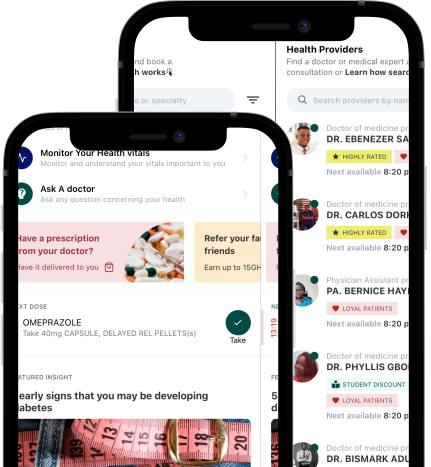
Get connected with local doctors. Instantly schedule appointments for Oral Cancer on our HIPAA-compliant, telehealth-enabled platform.
Our guides are reviewed by internal medical advisory boards to uphold patient guidelines and reference certified therapies.
Your doctor is only an appointment away.
Feeling unwell? Our friendly healthcare professionals are here to listen, advise, and care for you. Just open the app for quick, expert help. No stress, no fuss.