Understanding Oral Surgery Consultation
An oral surgery consultation is a visit with a specialist doctor who handles problems with the mouth, teeth, jaw, and gums that go beyond what a regular dentist can treat. You may be referred to an oral surgeon if you have a badly damaged tooth, a jaw problem, a growth or swelling in your mouth, or another condition that needs more advanced care. This consultation is your first step toward getting the right treatment, and the specialist will take time to understand your problem and explain your options clearly.
Common Symptoms / Concerns for Oral Surgery Consultation
When to Seek Professional Care
Book an evaluation with a healthcare provider immediately if you experience or present with:
- Severe swelling in the jaw or neck that is spreading quickly
- Difficulty breathing or swallowing due to mouth or throat swelling
- Heavy bleeding from the mouth that does not stop after applying pressure
- High fever combined with severe tooth or jaw pain
- Sudden inability to open or close your mouth
- A knocked-out or completely displaced tooth after an injury
- Signs of infection such as pus, a bad smell, or extreme pain around a tooth or gum
What to Expect During Your Medical Consultation
At your oral surgery consultation, the specialist will start by asking you about your pain, how long you have had the problem, and any dental treatment you have had in the past — so it helps to bring any previous dental records or X-rays if you have them. The doctor will then gently examine your mouth, teeth, gums, and jaw, and may take new X-rays or scans to get a clearer picture of what is happening inside. There is no need to worry — the consultation is simply about understanding your situation, and the oral surgeon will explain everything to you in a way that is easy to follow before any treatment is discussed.
Medical Divisions Vetted for Oral Surgery Consultation
Our platform supports multiple clinical specialties capable of providing consultations for this visit type:
Mouth & Jaw Surgeon
Clinicians available for oral surgery consultation consultations.
Frequently Asked Questions
What kinds of problems or conditions need oral surgery?
Oral surgery is needed for conditions that cannot be treated with simple dental care alone. Common reasons include severely damaged or infected teeth, impacted wisdom teeth that are stuck under the gum, jaw problems, and growths or cysts in the mouth. Your dentist or doctor will refer you to an oral surgeon when they feel surgery is the safest and most effective option for you.
Does removing a tooth count as oral surgery?
Yes, tooth extraction is a form of oral surgery, especially when the tooth is deeply rooted, broken, or has not fully come through the gum. Simple extractions done in a regular dental chair are minor procedures, but more complex removals — like wisdom teeth — may require a specialist. Either way, your care team will make sure you are comfortable and well-informed before anything is done.
How can I manage pain or discomfort while waiting for my oral surgery appointment?
Over-the-counter pain relievers like paracetamol or ibuprofen can help ease discomfort in the days before your appointment. Rinsing gently with warm salty water can also soothe a sore or swollen area in your mouth. Try to avoid very hot, cold, or hard foods that might make the pain worse, and contact your doctor right away if the pain becomes severe or you develop a fever.
What can I eat after oral surgery?
After oral surgery, it is best to stick to soft, easy-to-chew foods for the first few days while your mouth heals. Good options include porridge, soft rice, mashed yam, bananas, yoghurt, and soups that are not too hot. Avoid hard, crunchy, or spicy foods, and do not use a straw, as the sucking motion can slow down healing. Your care team will give you specific guidance based on your procedure.
How can I prevent needing oral surgery in the future?
The best way to protect your mouth is to brush your teeth twice a day, floss regularly, and visit a dentist for check-ups at least once a year. Catching small problems like cavities or gum disease early means they can often be treated without surgery. Eating less sugary food and drinks, and avoiding chewing on very hard objects, also goes a long way in keeping your teeth healthy for life.
Schedule Consultations
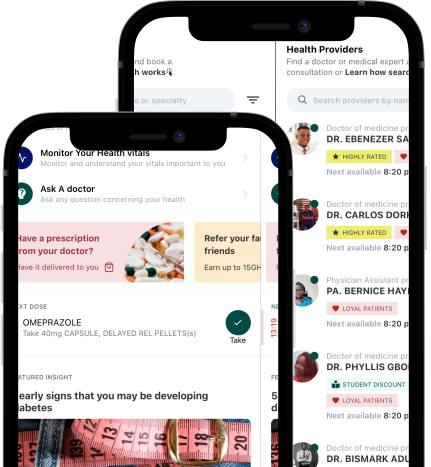
Get connected with local doctors. Instantly schedule appointments for Oral Surgery Consultation on our HIPAA-compliant, telehealth-enabled platform.
Our guides are reviewed by internal medical advisory boards to uphold patient guidelines and reference certified therapies.
Your doctor is only an appointment away.
Feeling unwell? Our friendly healthcare professionals are here to listen, advise, and care for you. Just open the app for quick, expert help. No stress, no fuss.