Understanding Painful Urination / Dysuria
Painful urination means feeling pain, burning, or discomfort when you pass urine. It is a common problem that can affect men, women, and children of all ages, and it is often caused by an infection or irritation in the urinary system. If the pain is severe, keeps coming back, or does not go away after a day or two, it is important to see a doctor so you can get the right treatment.
Common Symptoms / Concerns for Painful Urination / Dysuria
When to Seek Professional Care
Book an evaluation with a healthcare provider immediately if you experience or present with:
- Fever above 38.5°C that does not go down with paracetamol
- Severe pain in the lower back or sides that comes on suddenly
- Blood in the urine
- No urine passing at all, or only very small amounts despite trying
- Painful urination in a pregnant woman
- Symptoms in a young child or baby
- Pain that is getting worse after two days or is not improving at all
What to Expect During Your Medical Consultation
Your doctor will ask you some questions about your symptoms, how long you have had them, and whether you have had this problem before. They may gently press on your lower belly to check for tenderness and will likely ask you to provide a small urine sample, which is tested to find out the cause. Most cases of painful urination are straightforward to treat, and with the right medicine you should start feeling much better within a few days.
Medical Divisions Vetted for Painful Urination / Dysuria
Our platform supports multiple clinical specialties capable of providing consultations for this visit type:
Urinary & Kidney Doctor
Clinicians available for painful urination / dysuria consultations.
Related Conditions
Conditions commonly associated with Painful Urination / Dysuria consultations:
Erectile dysfunction (ED)
Also known as: Impotence, Difficulty getting or maintaining an erection, Erectile issues, Male sexual dysfunction, Erection problems
Frequently Asked Questions
What causes painful urination?
Painful urination is most often caused by an infection in the bladder or urinary tract, which is very common. It can also be caused by sexually transmitted infections (STIs) like gonorrhoea or chlamydia, kidney stones, or irritation from soap or other products. In men, a swollen prostate can also cause pain when passing urine.
Can I treat painful urination at home, or do I need to see a doctor?
You can help ease mild discomfort by drinking plenty of clean water to flush out your system. However, if the pain is strong, if you see blood in your urine, if you have a fever, or if the pain does not go away after a day or two, you should see a doctor or nurse right away. Home remedies alone cannot cure an infection — you will likely need medicine.
Is painful urination contagious or can it spread to others?
A simple bladder or urinary tract infection is not contagious and cannot spread from person to person through normal contact. However, if the cause is an STI like gonorrhoea or chlamydia, it can be passed to a partner during sex. It is important to get tested so you know the cause and can protect yourself and others.
What treatment will the doctor give me for painful urination?
If you have a urinary tract or bladder infection, the doctor will usually give you antibiotics, which are medicines that kill the bacteria causing the infection. You should take the full course of medicine even if you start feeling better quickly. If the cause is an STI or another condition, the doctor will give you the right treatment for that specific problem.
How can I prevent painful urination from happening again?
Drinking enough water every day helps keep your urinary system clean and healthy. Always wipe from front to back after using the toilet, and try to urinate soon after having sex. Avoid using strong soaps or perfumed products around your private parts, and wear clean, breathable underwear. If you are sexually active, using condoms can help prevent STIs that cause painful urination.
Schedule Consultations
Get connected with local doctors. Instantly schedule appointments for Painful Urination / Dysuria on our HIPAA-compliant, telehealth-enabled platform.
Our guides are reviewed by internal medical advisory boards to uphold patient guidelines and reference certified therapies.
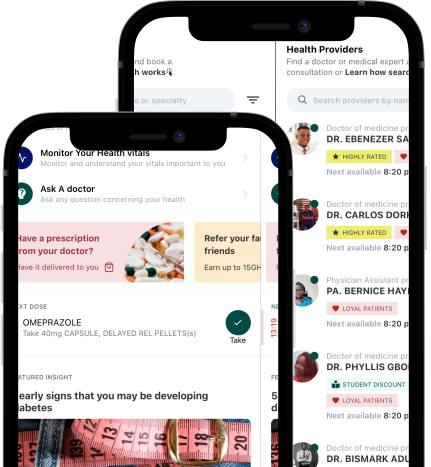
Your doctor is only an appointment away.
Feeling unwell? Our friendly healthcare professionals are here to listen, advise, and care for you. Just open the app for quick, expert help. No stress, no fuss.