Understanding Panic Attack
A panic attack is a sudden wave of intense fear or discomfort that comes on without warning and can feel very frightening. During a panic attack, your body reacts as if you are in danger — your heart races, you may struggle to breathe, and you might feel like something terrible is about to happen. Many people in Ghana and West Africa mistake panic attacks for a heart problem or a spiritual attack, so it is important to see a doctor to understand what is happening.
Common Symptoms / Concerns for Panic Attack
When to Seek Professional Care
Book an evaluation with a healthcare provider immediately if you experience or present with:
- Chest pain that does not go away after the panic attack ends
- First-ever episode of sudden intense fear with physical symptoms
- Panic attacks happening more than once a week
- You are avoiding places or activities because you fear another attack
- Feeling hopeless or having thoughts of harming yourself
- Symptoms that last longer than 30 minutes
- You fainted or lost consciousness during an episode
- Panic attacks are affecting your ability to work, study, or care for your family
What to Expect During Your Medical Consultation
When you visit the doctor for a panic attack, they will ask you to describe what happened — how it started, how long it lasted, and how often it occurs. The doctor may check your heart, blood pressure, and breathing to rule out any physical cause. They will then explain your options, which may include counselling, breathing exercises, or medication to help you feel more in control.
Medical Divisions Vetted for Panic Attack
Our platform supports multiple clinical specialties capable of providing consultations for this visit type:
Emergency Doctor
Clinicians available for panic attack consultations.
Related Conditions
Conditions commonly associated with Panic Attack consultations:
Fever
Also known as: elevated temperature, febrile illness, feverish
Frequently Asked Questions
What causes a panic attack?
Panic attacks happen when your body's alarm system is triggered even when there is no real danger. This can be caused by stress, lack of sleep, too much caffeine, or difficult life events. Sometimes there is no obvious cause at all. A doctor can help you identify what may be triggering your attacks.
Is a panic attack the same as a heart attack?
A panic attack and a heart attack can feel very similar, which is why many people are frightened and confused. Both can cause chest pain, a racing heart, and difficulty breathing. However, a panic attack is not dangerous to your heart and usually passes within 20 to 30 minutes. If you are unsure, it is always safer to see a doctor so they can check your heart and give you peace of mind.
Can I treat panic attacks at home?
Some people find that slow, deep breathing helps to calm a panic attack when it starts. Sitting in a quiet place, focusing on your breath, and reminding yourself that the feeling will pass can also help. However, if your panic attacks are happening often or stopping you from living your normal life, you should see a doctor rather than managing alone at home.
Will panic attacks go away on their own?
Some people have one or two panic attacks and never experience them again. For others, the attacks keep coming back and can get worse over time if not treated. Without support, some people start avoiding everyday situations out of fear, which can make life very difficult. Seeing a doctor early gives you the best chance of getting better quickly.
How can I prevent panic attacks from coming back?
Regular exercise, enough sleep, and reducing stress can all help lower the chance of panic attacks returning. Avoiding too much caffeine and alcohol is also helpful. A doctor or counsellor can teach you breathing and relaxation techniques that make a real difference. In some cases, medication may be recommended to help keep panic attacks under control.
Schedule Consultations
Get connected with local doctors. Instantly schedule appointments for Panic Attack on our HIPAA-compliant, telehealth-enabled platform.
Our guides are reviewed by internal medical advisory boards to uphold patient guidelines and reference certified therapies.
Your doctor is only an appointment away.
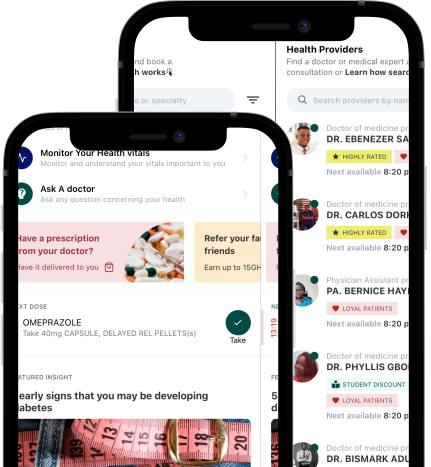
Feeling unwell? Our friendly healthcare professionals are here to listen, advise, and care for you. Just open the app for quick, expert help. No stress, no fuss.