Understanding Pneumoconiosis
Pneumoconiosis is a lung disease caused by breathing in dust particles over a long period of time — such as dust from mining, quarrying, farming, or working with sand and stone. Over time, this dust builds up in the lungs and causes damage that makes it harder to breathe. If you work in a dusty environment and are experiencing chest problems or difficulty breathing, it is important to see a doctor as soon as possible.
Common Symptoms / Concerns for Pneumoconiosis
When to Seek Professional Care
Book an evaluation with a healthcare provider immediately if you experience or present with:
- Severe difficulty breathing that makes it hard to speak or move around
- Lips or fingernails turning blue or grey
- Coughing up blood
- Sudden sharp chest pain that does not go away
- Feeling confused or very dizzy along with breathing problems
- Breathing becomes very fast and you cannot slow it down
- You feel like you are not getting enough air even while sitting still
What to Expect During Your Medical Consultation
When you visit the doctor, they will ask you about your work history — such as whether you have worked in a mine, quarry, or dusty environment — and how long you have been experiencing your symptoms. The doctor will then listen to your chest with a stethoscope and may order a chest X-ray to see how your lungs look inside. This is a straightforward process, and the doctor is there to help you understand your condition and find the best way to manage it.
Medical Divisions Vetted for Pneumoconiosis
Our platform supports multiple clinical specialties capable of providing consultations for this visit type:
Lung Doctor
Clinicians available for pneumoconiosis consultations.
Frequently Asked Questions
What causes pneumoconiosis?
Pneumoconiosis is caused by breathing in tiny dust particles over a long period of time. This can happen if you work in mining, quarrying, construction, or farming where dust from rocks, sand, or soil fills the air. When you breathe in this dust, it settles in your lungs and causes damage over time. The longer you are exposed to the dust, the greater your risk of developing this condition.
Can pneumoconiosis be cured?
Unfortunately, pneumoconiosis cannot be fully cured because the lung damage it causes is permanent. However, it can be managed to help you breathe more comfortably and slow down further damage. Treatment focuses on relieving symptoms, preventing infections, and stopping more dust from entering your lungs. With proper care, many people are able to live a reasonable quality of life.
When should I see a doctor instead of managing my symptoms at home?
At home, you can rest, avoid dusty areas, drink plenty of water, and avoid smoking to help ease mild symptoms. However, you should see a doctor right away if you have severe shortness of breath, chest pain, a persistent cough with blood, or if your symptoms are getting worse quickly. Fever or signs of a chest infection also mean you need medical attention as soon as possible. Do not wait too long — early treatment can prevent serious complications.
How can I protect myself from pneumoconiosis at work?
The best way to protect yourself is to reduce the amount of dust you breathe in while working. Always wear a proper dust mask or respirator when working in mines, quarries, or dusty fields. If possible, ask your employer to wet down dusty areas or use ventilation to clear the air. Try to take breaks in clean-air areas and wash your face and hands after working in dusty conditions.
Is pneumoconiosis contagious? Can I spread it to my family?
No, pneumoconiosis is not contagious — you cannot spread it to your family, friends, or anyone else. It is caused by dust particles in the lungs, not by a germ or infection. You do not need to isolate yourself or worry about others catching it from you. However, if family members also work in dusty environments, they should take their own precautions to protect their lungs.
Schedule Consultations
Get connected with local doctors. Instantly schedule appointments for Pneumoconiosis on our HIPAA-compliant, telehealth-enabled platform.
Our guides are reviewed by internal medical advisory boards to uphold patient guidelines and reference certified therapies.
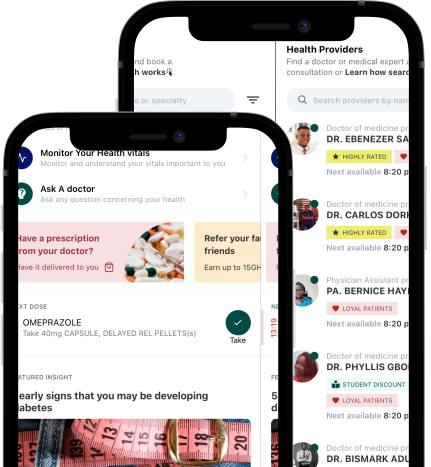
Your doctor is only an appointment away.
Feeling unwell? Our friendly healthcare professionals are here to listen, advise, and care for you. Just open the app for quick, expert help. No stress, no fuss.