Understanding Rectal Bleeding
Rectal bleeding means noticing blood when you use the toilet — it may appear in the toilet bowl, on the tissue paper, or mixed in with your stool. It can be caused by many things, from minor issues like piles (haemorrhoids) or small tears around the anus, to more serious conditions inside the bowel. It is important to see a doctor whenever you notice rectal bleeding so the cause can be found and treated early.
Common Symptoms / Concerns for Rectal Bleeding
When to Seek Professional Care
Book an evaluation with a healthcare provider immediately if you experience or present with:
- Heavy or non-stop bleeding from the back passage
- Dark, tarry, or foul-smelling stool that looks like black oil
- Dizziness, fainting, or feeling very weak alongside bleeding
- Severe stomach or abdominal pain together with rectal bleeding
- Bleeding that continues for more than a few days without improvement
- Unexplained weight loss combined with rectal bleeding
- Fever above 38.5°C together with rectal bleeding
- Rectal bleeding in a child or elderly person
What to Expect During Your Medical Consultation
When you visit the doctor for rectal bleeding, they will ask you questions about when the bleeding started, what the blood looks like, and whether you have any pain or changes in your bowel habits. The doctor may gently examine your abdomen and the area around your anus, and they might request a stool test or blood test to check for infection or anaemia. Try not to worry — the doctor's goal is to find the cause quickly so you can get the right treatment and feel better.
Medical Divisions Vetted for Rectal Bleeding
Our platform supports multiple clinical specialties capable of providing consultations for this visit type:
Gut & Digestive Doctor
Clinicians available for rectal bleeding consultations.
Frequently Asked Questions
What causes rectal bleeding?
The most common cause of rectal bleeding in West Africa is haemorrhoids (piles) — swollen veins around the anus that can bleed when you strain during a bowel movement. Other causes include small tears called anal fissures, infections, bowel inflammation, or, less commonly, growths inside the bowel. A doctor can examine you to find out exactly what is causing the bleeding.
Can I treat rectal bleeding at home?
If the bleeding is very minor and caused by piles or a small tear, eating more fibre-rich foods (like fruits, vegetables, and beans), drinking plenty of water, and avoiding straining on the toilet can help. However, you should not rely on home remedies alone — if the bleeding does not stop within a day or two, or if it is heavy or painful, you should see a doctor. Never ignore rectal bleeding, as it can sometimes be a sign of something more serious.
Is rectal bleeding always a sign of cancer?
No — most cases of rectal bleeding are caused by common, treatable conditions like piles or anal fissures, not cancer. However, because rectal bleeding can occasionally be linked to bowel cancer or other serious conditions, it is always important to get it checked by a doctor. Catching any problem early gives you the best chance of a good outcome.
What treatment is available for rectal bleeding?
Treatment depends on the cause. Piles can often be managed with creams, dietary changes, and increased water intake, while more severe cases may need a minor procedure. Anal fissures usually heal with stool softeners and ointments. If an infection or inflammation is found, the doctor will prescribe the right medication. Your doctor will explain the best treatment plan for your specific situation.
How can I prevent rectal bleeding?
Eating a diet rich in fibre — including yam, plantain, beans, and fresh vegetables — and drinking enough water each day helps keep your stools soft and reduces straining on the toilet, which is the main cause of piles and anal tears. Avoid sitting on the toilet for long periods and try to stay physically active. If you notice any bleeding, see a doctor early rather than waiting for it to get worse.
Schedule Consultations
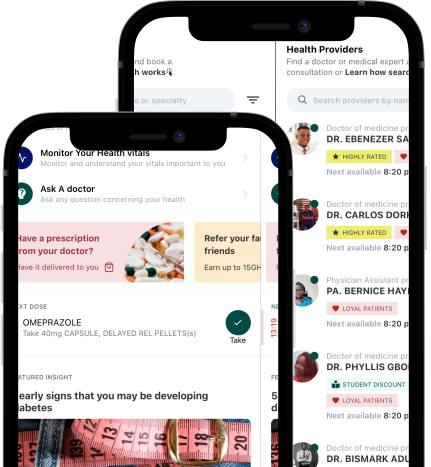
Get connected with local doctors. Instantly schedule appointments for Rectal Bleeding on our HIPAA-compliant, telehealth-enabled platform.
Our guides are reviewed by internal medical advisory boards to uphold patient guidelines and reference certified therapies.
Your doctor is only an appointment away.
Feeling unwell? Our friendly healthcare professionals are here to listen, advise, and care for you. Just open the app for quick, expert help. No stress, no fuss.