Who is a Gut & Digestive Doctor?
A Gut & Digestive Doctor — also called a gastroenterologist — is a specialist who looks after problems with your stomach, intestines, liver, and the rest of your digestive system. They help people who have ongoing belly pain, trouble digesting food, or conditions like ulcers, hepatitis, and bowel disease. If you have been struggling with digestive problems that do not go away, this is the right doctor to see.
Duties and Responsibilities of a Gut & Digestive Doctor
When to See a Gut & Digestive Doctor
You should consider booking an consultation if you are experiencing any of the following symptoms or conditions:
- Persistent stomach pain or cramping that does not go away
- Frequent heartburn or a burning feeling in your chest after eating
- Vomiting blood or passing black, tarry stools
- Unexplained weight loss over a short period
- Yellowing of the skin or eyes (jaundice)
- Chronic diarrhoea or constipation lasting more than two weeks
- Bloating and excessive gas that is affecting your daily life
- Difficulty swallowing food or liquids
- Known or suspected hepatitis B or hepatitis C infection
- A family history of bowel or stomach cancer
Conditions & Visit Reasons
Select a specific condition to learn more or search for specialists offering directed therapy plans:
Types of Gut & Digestive Doctor Specialists
Hepatology (Liver Specialist)
Focuses on diseases of the liver, gallbladder, and bile ducts, including hepatitis, cirrhosis, and fatty liver disease.
Endoscopy
Uses a thin flexible camera to look inside the digestive tract to find and treat problems such as ulcers, bleeding, and polyps.
Inflammatory Bowel Disease (IBD)
Specialises in long-term conditions that cause inflammation in the intestines, such as Crohn's disease and ulcerative colitis.
Colorectal Health
Focuses on conditions affecting the colon and rectum, including bowel cancer screening, haemorrhoids, and constipation.
Paediatric Gastroenterology
Cares for children with digestive problems, including feeding difficulties, stomach pain, and liver conditions in young patients.
What to Expect at Your Appointment
At your first visit, the doctor will ask you about your symptoms, your diet, any medicines you take, and your family health history — so try to come prepared with that information. They will gently examine your abdomen and may arrange blood tests, a stool test, or an ultrasound scan to get a clearer picture of what is happening. You are in safe hands, and the doctor's goal is simply to understand your problem and find the best way to help you feel better.
Training & Education Credentials
A Gut & Digestive Doctor first completes a medical degree (MBChB or equivalent), followed by several years of specialist training in internal medicine and then gastroenterology, often leading to a fellowship or postgraduate qualification such as FWACP, FGCP, or an equivalent board certification recognised in Ghana and West Africa.
Frequently Asked Questions
How much does it cost to see a Gut & Digestive Doctor in Ghana?
Consultation fees vary depending on whether you visit a public hospital, a private clinic, or a specialist centre. At public hospitals, costs are generally lower and may be partly covered by the National Health Insurance Scheme (NHIS). Private specialist consultations typically range from GHS 300 to GHS 800 or more, so it is worth calling ahead to confirm the fee and whether your NHIS card is accepted.
What should I bring to my first appointment?
Bring your NHIS card or any health insurance documents, a list of all medicines and supplements you currently take, and any previous test results or hospital letters related to your digestive problem. It also helps to write down your symptoms — when they started, how often they happen, and anything that makes them better or worse — so you do not forget anything during the consultation.
Do I need a referral from another doctor before I can see a Gut & Digestive Doctor?
In many public hospitals in Ghana, you will need a referral letter from a general practitioner or a primary health facility before seeing a specialist. At private clinics and specialist centres, you can often book directly without a referral. If you are unsure, call the clinic or hospital first to find out their process.
When should I go to the emergency room instead of booking an appointment?
Go to the emergency room immediately if you are vomiting blood, passing black or bloody stools, have severe sudden stomach pain, or your skin and eyes have turned yellow very quickly. These can be signs of a serious condition that needs urgent treatment and should not wait for a routine appointment.
How should I prepare if the doctor orders an endoscopy?
If you are scheduled for an endoscopy (a camera test of your stomach or intestines), the doctor will give you specific instructions, but generally you will need to stop eating and drinking for several hours beforehand. For a bowel examination, you may need to take a special drink the day before to clear your intestines. Follow the instructions carefully, arrange for someone to take you home afterwards, and do not be afraid to ask the doctor or nurse any questions you have.
Book a Gut & Digestive Doctor
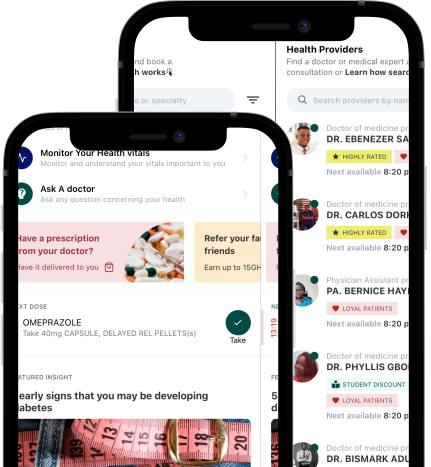
Find verified board-certified Gut & Digestive Doctors on DrDoGood. Compare reviews, check real-time availability, and schedule your appointment online.
All practitioners on DrDoGood are thoroughly vetted for credentials, licensing, and patient satisfaction histories.
Your doctor is only an appointment away.
Feeling unwell? Our friendly healthcare professionals are here to listen, advise, and care for you. Just open the app for quick, expert help. No stress, no fuss.