Understanding Respiratory Problems
Respiratory problems are conditions that affect your breathing and make it hard for your lungs to work properly. They can be caused by infections, allergies, dust, smoke, or other things in the air around you. If you are finding it difficult to breathe, coughing a lot, or feeling tightness in your chest, it is important to see a doctor so you can get the right treatment.
Common Symptoms / Concerns for Respiratory Problems
When to Seek Professional Care
Book an evaluation with a healthcare provider immediately if you experience or present with:
- Difficulty breathing that does not improve with rest
- Lips or fingertips turning blue or grey
- Breathing very fast or struggling to catch your breath
- Chest pain that comes with shortness of breath
- Coughing up blood
- A child is breathing so hard their ribs are visible with each breath
- Feeling confused or very drowsy along with breathing problems
- Symptoms that are getting worse quickly despite home care
What to Expect During Your Medical Consultation
When you visit the doctor for a breathing problem, they will ask you questions about your symptoms, how long you have had them, and whether anything makes them better or worse. The doctor will listen to your chest with a stethoscope and may check your temperature, pulse, and oxygen levels. They may also ask for a chest X-ray or a simple breathing test to understand what is causing the problem and find the best treatment for you.
Medical Divisions Vetted for Respiratory Problems
Our platform supports multiple clinical specialties capable of providing consultations for this visit type:
Lung Doctor
Clinicians available for respiratory problems consultations.
Frequently Asked Questions
What are the most common causes of respiratory problems in West Africa?
Respiratory problems in West Africa are often caused by dust, smoke from cooking fires, harmattan winds, and infections like pneumonia or tuberculosis. Air pollution from traffic and burning waste can also irritate the lungs. Allergies and asthma are common as well, especially in children. Keeping your living space well-ventilated and avoiding smoke can help reduce your risk.
Can I treat a cough or breathing difficulty at home?
Mild coughs caused by a cold or dry air can often be managed at home by drinking plenty of warm fluids, using steam inhalation, and resting. Honey mixed with warm water or ginger tea may help soothe throat irritation. However, if your symptoms last more than a week, get worse, or are accompanied by fever or chest pain, you should see a doctor. Home remedies are not a substitute for medical care when symptoms are serious.
When should I go to the hospital for a breathing problem?
You should seek medical care right away if you have severe difficulty breathing, your lips or fingernails turn bluish, or you are coughing up blood. A high fever with chest pain, rapid breathing, or confusion are also warning signs that need urgent attention. Children and elderly people should be seen by a doctor sooner, as they can get very sick quickly. Do not wait to see if these serious symptoms improve on their own.
What treatments are available for respiratory infections?
Treatment depends on what is causing the problem — bacterial infections like pneumonia are treated with antibiotics prescribed by a doctor, while viral infections usually improve with rest and fluids. Asthma and other long-term conditions may require inhalers or other medicines to keep symptoms under control. A health worker can test you to find the right treatment for your specific condition. Never share or stop prescribed medicines without talking to your doctor first.
How can I protect myself and my family from respiratory problems?
You can lower your risk by cooking in well-ventilated areas or outdoors to avoid smoke buildup inside the home. Wearing a face covering during the harmattan season or in dusty environments helps protect your lungs. Washing hands regularly and staying away from people who are sick can prevent the spread of respiratory infections. Keeping up with vaccinations, such as for pneumonia and flu, also provides important protection.
Schedule Consultations
Get connected with local doctors. Instantly schedule appointments for Respiratory Problems on our HIPAA-compliant, telehealth-enabled platform.
Our guides are reviewed by internal medical advisory boards to uphold patient guidelines and reference certified therapies.
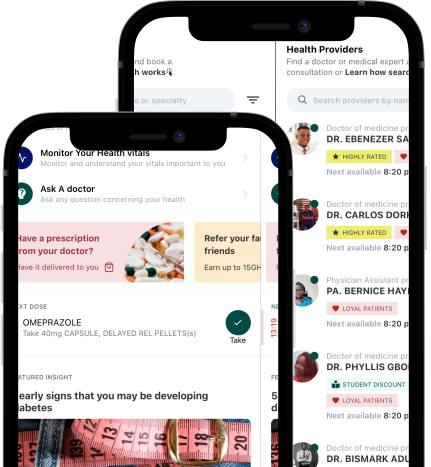
Your doctor is only an appointment away.
Feeling unwell? Our friendly healthcare professionals are here to listen, advise, and care for you. Just open the app for quick, expert help. No stress, no fuss.