Understanding Stroke
A stroke happens when blood flow to part of the brain is suddenly cut off, either by a blocked blood vessel or a burst one. Without blood, brain cells begin to die quickly, which can affect how a person moves, speaks, or thinks. It is a medical emergency — getting to a hospital as fast as possible can save a life and reduce lasting damage.
Common Symptoms / Concerns for Stroke
When to Seek Professional Care
Book an evaluation with a healthcare provider immediately if you experience or present with:
- Sudden weakness or paralysis on one side of the body — call for help immediately
- Face drooping on one side, especially if it came on suddenly
- Unable to speak, slurring words, or not making sense when talking
- Sudden loss of vision in one or both eyes
- Severe sudden headache described as the worst headache of your life
- Loss of balance or inability to stand or walk without warning
- Sudden loss of consciousness or unresponsiveness
- Any combination of the above symptoms, even if they seem to pass quickly
What to Expect During Your Medical Consultation
When you arrive at the hospital, the doctor will act quickly — they will ask when the symptoms started and check your blood pressure, heart, and nervous system. They will likely order a brain scan (CT or MRI) to find out what type of stroke it is and how to treat it. The team will work fast to give you the right treatment and keep you stable, and they will explain each step to you and your family.
Medical Divisions Vetted for Stroke
Our platform supports multiple clinical specialties capable of providing consultations for this visit type:
Urinary & Kidney Doctor
Clinicians available for stroke consultations.
Related Conditions
Conditions commonly associated with Stroke consultations:
Erectile dysfunction (ED)
Also known as: Impotence, Difficulty getting or maintaining an erection, Erectile issues, Male sexual dysfunction, Erection problems
Frequently Asked Questions
What causes a stroke?
A stroke is caused either by a blood clot blocking a vessel that supplies blood to the brain, or by a blood vessel in the brain bursting and bleeding. Risk factors common in West Africa include high blood pressure, diabetes, smoking, heavy alcohol use, and sickle cell disease. Managing these conditions greatly reduces your risk of having a stroke.
How do I know if someone is having a stroke right now?
Use the FAST test: Face drooping, Arm weakness, Speech difficulty, Time to call for help. If the person cannot smile evenly, cannot raise both arms, or cannot speak clearly, treat it as a stroke emergency. Do not wait to see if it gets better — go to the hospital immediately.
Can I treat a stroke at home with herbs or local remedies?
No — a stroke is a life-threatening emergency that cannot be treated at home. Every minute without treatment means more brain cells are lost. Please go straight to the nearest hospital or clinic with emergency care. Home remedies or waiting will increase the risk of permanent disability or death.
What treatment will the hospital give for a stroke?
Treatment depends on the type of stroke. For a blocked vessel, doctors may give a clot-dissolving medicine if you arrive quickly enough. For a burst vessel, surgery or other procedures may be needed. After the emergency is managed, rehabilitation — such as physiotherapy and speech therapy — helps patients regain lost abilities.
How can I prevent a stroke?
The most important steps are controlling your blood pressure, managing diabetes, eating less salt and fatty foods, exercising regularly, stopping smoking, and reducing alcohol. Take any prescribed blood pressure or diabetes medicines every day without skipping. Regular check-ups at a clinic help catch problems early before they lead to a stroke.
Schedule Consultations
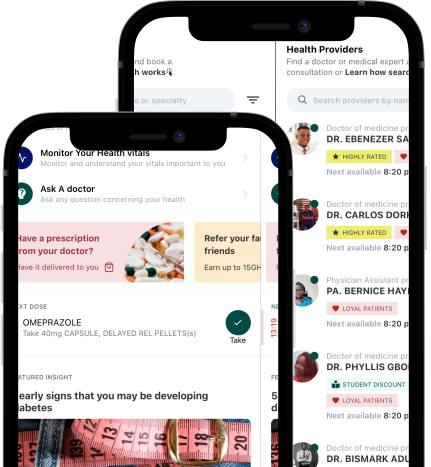
Get connected with local doctors. Instantly schedule appointments for Stroke on our HIPAA-compliant, telehealth-enabled platform.
Our guides are reviewed by internal medical advisory boards to uphold patient guidelines and reference certified therapies.
Your doctor is only an appointment away.
Feeling unwell? Our friendly healthcare professionals are here to listen, advise, and care for you. Just open the app for quick, expert help. No stress, no fuss.