Understanding Urinary Urgency / Urge Incontinence
Urinary urgency means feeling a sudden, strong need to pass urine that is very hard to hold back. Urge incontinence happens when that urge is so strong that urine leaks out before you can reach the toilet. Many people in Ghana and West Africa live with this condition without knowing it can be treated — seeing a doctor can make a big difference to your daily life and comfort.
Common Symptoms / Concerns for Urinary Urgency / Urge Incontinence
When to Seek Professional Care
Book an evaluation with a healthcare provider immediately if you experience or present with:
- Urine leakage that is getting worse or happening every day
- Pain or burning sensation when urinating
- Blood in the urine, even if it appears just once
- Fever above 38.5°C alongside urinary urgency
- Complete inability to pass urine for several hours
- Leaking urine that is affecting your work, sleep, or daily activities
- Lower back or side pain together with urgent urination
- Symptoms that started suddenly after childbirth or surgery
What to Expect During Your Medical Consultation
When you visit the doctor for urinary urgency or urge incontinence, they will ask you questions about how often you urinate, whether you leak urine, and how much it affects your daily life — there is no need to feel embarrassed, as this is a very common condition. The doctor may examine your lower abdomen, ask for a urine sample to check for infection, and sometimes request an ultrasound scan of your bladder. Treatment options are available and many patients see a great improvement with the right care, so it is always worth speaking up about your symptoms.
Medical Divisions Vetted for Urinary Urgency / Urge Incontinence
Our platform supports multiple clinical specialties capable of providing consultations for this visit type:
Urinary & Kidney Doctor
Clinicians available for urinary urgency / urge incontinence consultations.
Related Conditions
Conditions commonly associated with Urinary Urgency / Urge Incontinence consultations:
Erectile dysfunction (ED)
Also known as: Impotence, Difficulty getting or maintaining an erection, Erectile issues, Male sexual dysfunction, Erection problems
Frequently Asked Questions
What causes urinary urgency and urge incontinence?
The most common cause is an overactive bladder — where the bladder muscle squeezes at the wrong time, sending a strong urge to urinate even when the bladder is not full. Other causes include urinary tract infections (UTIs), diabetes, nerve problems, or changes after pregnancy and childbirth. In some cases, drinking too much tea, coffee, or alcohol can also trigger the problem.
Can I treat urinary urgency at home, or do I need to see a doctor?
Mild cases can sometimes be helped at home by reducing caffeine and alcohol, drinking water steadily throughout the day instead of large amounts at once, and practising bladder training — where you gradually try to wait a little longer before going to the toilet. However, if leaking is affecting your daily life, if you have pain, or if home measures are not helping after a few weeks, you should see a doctor for proper assessment and treatment.
Is urinary leakage a normal part of getting older or having children?
While urinary urgency is more common as people get older and after childbirth, it is not something you simply have to accept. Many people in West Africa suffer in silence thinking it is normal, but effective treatments are available. Seeing a doctor can help you regain control and improve your quality of life significantly.
What treatments are available for urge incontinence?
Treatment depends on the cause but often starts with lifestyle changes and pelvic floor exercises, which strengthen the muscles that control urination. Doctors may also prescribe medication to calm an overactive bladder. In more severe cases, other procedures may be recommended. Most patients improve with a combination of these approaches.
How can I prevent urinary urgency from getting worse?
You can help manage the condition by drinking enough water — about 6 to 8 cups a day — but avoiding too much tea, coffee, fizzy drinks, and alcohol, which can irritate the bladder. Maintaining a healthy weight, doing regular pelvic floor exercises, and not ignoring the urge to urinate for too long can all help. If you have diabetes or another underlying condition, keeping it well controlled is also important.
Schedule Consultations
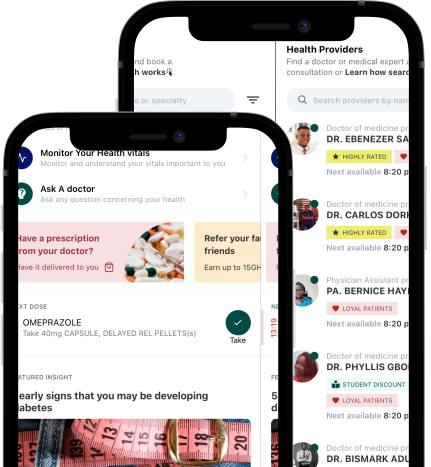
Get connected with local doctors. Instantly schedule appointments for Urinary Urgency / Urge Incontinence on our HIPAA-compliant, telehealth-enabled platform.
Our guides are reviewed by internal medical advisory boards to uphold patient guidelines and reference certified therapies.
Your doctor is only an appointment away.
Feeling unwell? Our friendly healthcare professionals are here to listen, advise, and care for you. Just open the app for quick, expert help. No stress, no fuss.