Amanda Sackey
₵200
per visit
Prime: ₵180
5(2)
Highly Rated♥ Loyal PatientsVirtual
I am an experienced family physician with a special interest in diabetes.
Next available — tue, Oct 20

Abdominal pain is any discomfort or aching feeling in your stomach area, and it is one of the most common reasons people visit a doctor. It can be caused by many things, from indigestion and gas to infections or problems with organs like the stomach, liver, or intestines. Seeing a doctor helps find out what is causing the pain so you can get the right treatment and feel better quickly.
Book an evaluation with a healthcare provider immediately if you experience or present with:
When you visit the doctor for abdominal pain, they will ask you questions about where the pain is, how long you have had it, and what makes it better or worse. The doctor will gently press on your stomach to check for tenderness and may ask for a urine or stool sample, or send you for a blood test or scan. There is no need to worry — the doctor is simply trying to understand what is causing your pain so they can give you the best care possible.
Our platform supports multiple clinical specialties capable of providing consultations for this visit type:
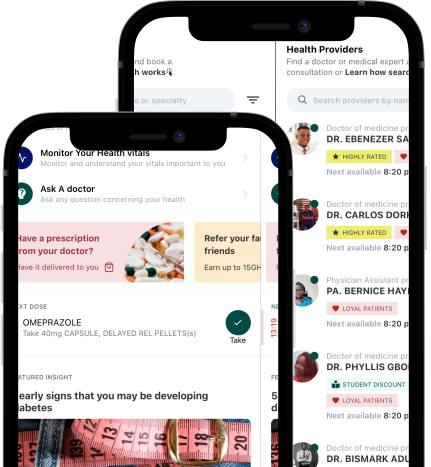
Clinicians available for abdominal pain consultations.
Clinicians available for abdominal pain consultations.
Clinicians available for abdominal pain consultations.
Conditions commonly associated with Abdominal Pain consultations:
Erectile dysfunction (ED)
Also known as: Impotence, Difficulty getting or maintaining an erection, Erectile issues, Male sexual dysfunction, Erection problems
Sexually transmitted disease (STD)
Also known as: STD, sexually transmitted disease
Headache
Also known as: cephalgia, dolor capitis, ha, head ache, head pain
Apollo
Also known as: pink eye, Apollo, Conjunctivitis
Cough
Fever
Also known as: elevated temperature, febrile illness, feverish
Tiredness
Also known as: loss of energy, malaise, tiredness
Vaginal Discharge & STI
Vomiting
Mental health
Skin acne
Also known as: skin problem
₵200
per visit
Prime: ₵180
I am an experienced family physician with a special interest in diabetes.
Next available — tue, Oct 20
Abdominal pain in West Africa is often caused by infections like typhoid fever, malaria, or stomach ulcers. Food poisoning, intestinal worms, and gas from certain foods are also very common causes. In some cases, conditions like appendicitis or kidney stones may be responsible. Seeing a doctor can help find the exact cause so you get the right treatment.
Mild stomach pain caused by gas, indigestion, or eating too much can often be managed at home by resting, drinking plenty of water, and avoiding heavy or spicy foods. However, if the pain is severe, lasts more than two days, or comes with fever, vomiting, or bloody stool, you should see a doctor right away. Do not ignore pain that keeps getting worse, as it may be a sign of a serious condition.
Drinking warm water or ginger tea can help ease mild stomach cramps and bloating. Resting and avoiding fatty, spicy, or hard-to-digest foods may also bring relief. Some people find that placing a warm cloth on the stomach helps reduce discomfort. These remedies work best for minor pain — if your symptoms do not improve within a day or two, visit a health facility.
Treatment depends on what is causing the pain. A doctor may prescribe antibiotics for infections like typhoid, antacids for ulcers, or medication to remove intestinal worms. In more serious cases, such as appendicitis, surgery may be needed. The doctor will usually ask about your symptoms and may run tests like a blood test or ultrasound to find the right treatment.
You can reduce your risk of stomach pain by drinking clean, safe water and eating freshly prepared food. Washing your hands before eating and after using the toilet helps prevent infections that cause stomach problems. Eating smaller meals, avoiding very spicy or oily foods, and deworming regularly are also helpful habits. Keeping up with vaccinations, such as the typhoid vaccine, can protect you from some common causes of abdominal pain.
Get connected with local doctors. Instantly schedule appointments for Abdominal Pain on our HIPAA-compliant, telehealth-enabled platform.
Our guides are reviewed by internal medical advisory boards to uphold patient guidelines and reference certified therapies.
Feeling unwell? Our friendly healthcare professionals are here to listen, advise, and care for you. Just open the app for quick, expert help. No stress, no fuss.