
Malaria symptoms are the warning signs your body sends when the Plasmodium parasite — transmitted through the bite of an infected female Anopheles mosquito — begins attacking your red blood cells. In Ghana and across West Africa, malaria remains one of the leading causes of illness and death, particularly in children under five and pregnant women. Recognising malaria symptoms early can mean the difference between a full recovery and a life-threatening emergency.
Key Takeaways
- Malaria symptoms typically appear 7–30 days after an infected mosquito bite.
- The classic trio of malaria is fever, chills, and headache — but symptoms can be more severe.
- Plasmodium falciparum, the most common species in Ghana, causes the most dangerous form of malaria.
- Severe malaria can progress to seizures, coma, and death if untreated.
- Early diagnosis and treatment with approved antimalarials is highly effective.
- You can consult a doctor online through DrDoGood if you suspect malaria.
---
What Causes Malaria?
Malaria is caused by Plasmodium parasites spread through the bites of infected Anopheles mosquitoes. There are five species of Plasmodium that infect humans, but in Ghana, Plasmodium falciparum is responsible for the vast majority of cases and is the most lethal. Research published in the National Institutes of Health (NIH/PMC) confirms that clinical malaria in Ghana is primarily caused by P. falciparum, with smaller contributions from Plasmodium malariae and Plasmodium ovale, often occurring as mixed infections.
After a bite from an infected mosquito, the parasites travel to the liver, mature, and then re-enter the bloodstream — where they invade and destroy red blood cells. It is this destruction of red blood cells, and the immune response it triggers, that produces the recognisable malaria symptoms we experience.
Importantly, malaria is not contagious — it does not spread from person to person through coughing, touching, or sharing food. It is always transmitted via a mosquito vector (or, in rare cases, through blood transfusion or from mother to baby during pregnancy).
---
What Are the Common Malaria Symptoms?
According to the World Health Organization (WHO), mild malaria symptoms include:
- Fever — often high-grade and cyclical, occurring every 48–72 hours depending on the parasite species
- Chills and rigors — intense shivering episodes that may precede the fever spike
- Headache — often severe and throbbing
- Muscle aches and fatigue — a general feeling of weakness and body pain
- Nausea and vomiting — common in the early stages
- Sweating — as the fever breaks, drenching sweats often follow
The CDC describes malaria as characterised by "fever and influenza-like symptoms, including chills, headache, myalgias, and malaise," and notes that symptoms can occur intermittently. This cyclical fever pattern — feeling extremely unwell, then temporarily better, then unwell again — is a hallmark feature of malaria and helps distinguish it from other illnesses like the flu.
In Ghana, where malaria is common, many adults recognise these symptoms quickly. However, young children and people with weaker immunity may present atypically, making early clinical testing essential.

---
Malaria Symptoms by Stage
Malaria often progresses in three recognisable stages, particularly with P. vivax and P. ovale:
1. Cold stage — sudden onset of chills, shivering, and a feeling of intense cold, lasting 15 minutes to an hour. 2. Hot stage — the fever rises sharply (sometimes above 40°C / 104°F), accompanied by severe headache, flushed skin, rapid breathing, and vomiting. This stage can last several hours. 3. Sweating stage — the fever breaks and the person sweats profusely, often feeling exhausted but temporarily relieved.
With P. falciparum — the dominant species in Ghana — this neat cyclical pattern is less predictable. Fevers may be continuous rather than intermittent, and the disease can escalate quickly to severe malaria.
---
When Malaria Becomes Severe: Warning Signs You Must Not Ignore
Severe malaria is a medical emergency. The CDC identifies the following as signs of severe, life-threatening malaria:
- Seizures or convulsions
- Impaired consciousness or coma (cerebral malaria)
- Severe anaemia — extreme paleness, weakness, and rapid heartbeat
- Difficulty breathing or acute respiratory distress
- Jaundice — yellowing of the skin and eyes
- Dark or cola-coloured urine (a sign of rapid red blood cell breakdown, called blackwater fever)
- Acute kidney injury
- Persistent vomiting preventing oral medication
Children under five are particularly vulnerable to severe malaria. Cerebral malaria — where parasites affect brain function — can cause lasting neurological damage even after recovery. If you or your child show any of these warning signs, seek emergency medical care immediately or book an urgent consultation for Tropical Disease / Parasite / Malaria through DrDoGood.
---
How Is Malaria Diagnosed?
Because malaria symptoms overlap with many other common illnesses — including typhoid fever, flu, and meningitis — self-diagnosis is unreliable and dangerous. Diagnosis requires a blood test. The two main diagnostic methods are:
- Rapid Diagnostic Tests (RDTs) — widely available at clinics and pharmacies across Ghana; provide results in 15–20 minutes.
- Blood smear microscopy — the gold standard, where a trained lab technician examines a blood sample under a microscope to identify the parasite species and density.
Never start antimalarial treatment without a confirmed diagnosis. Overuse of antimalarials contributes to drug resistance, which is a growing public health concern in West Africa.
As part of your overall health awareness, it's also worth knowing that certain conditions — like anaemia — can make malaria symptoms feel worse. You can learn more about staying proactive with your health by reading our guide on 7 Essential Health Screenings Every Adult in Ghana Needs.
---
Treatment for Malaria Symptoms
The good news: malaria is highly treatable when caught early. The frontline treatment in Ghana and across sub-Saharan Africa is Artemisinin-based Combination Therapy (ACT), recommended by the WHO. Common ACT regimens include artemether-lumefantrine and artesunate-amodiaquine.
Treatment duration is typically 3 days for uncomplicated malaria. For severe malaria, intravenous (IV) artesunate is administered in a hospital setting.
Key points about malaria treatment:
- Complete the full course of medication, even if you feel better after one or two days.
- Do not share antimalarial medicines — the correct dose depends on body weight and parasite species.
- Seek medical review if symptoms do not improve within 24–48 hours of starting treatment.
- Pregnant women and children require special dosing considerations — always consult a doctor.
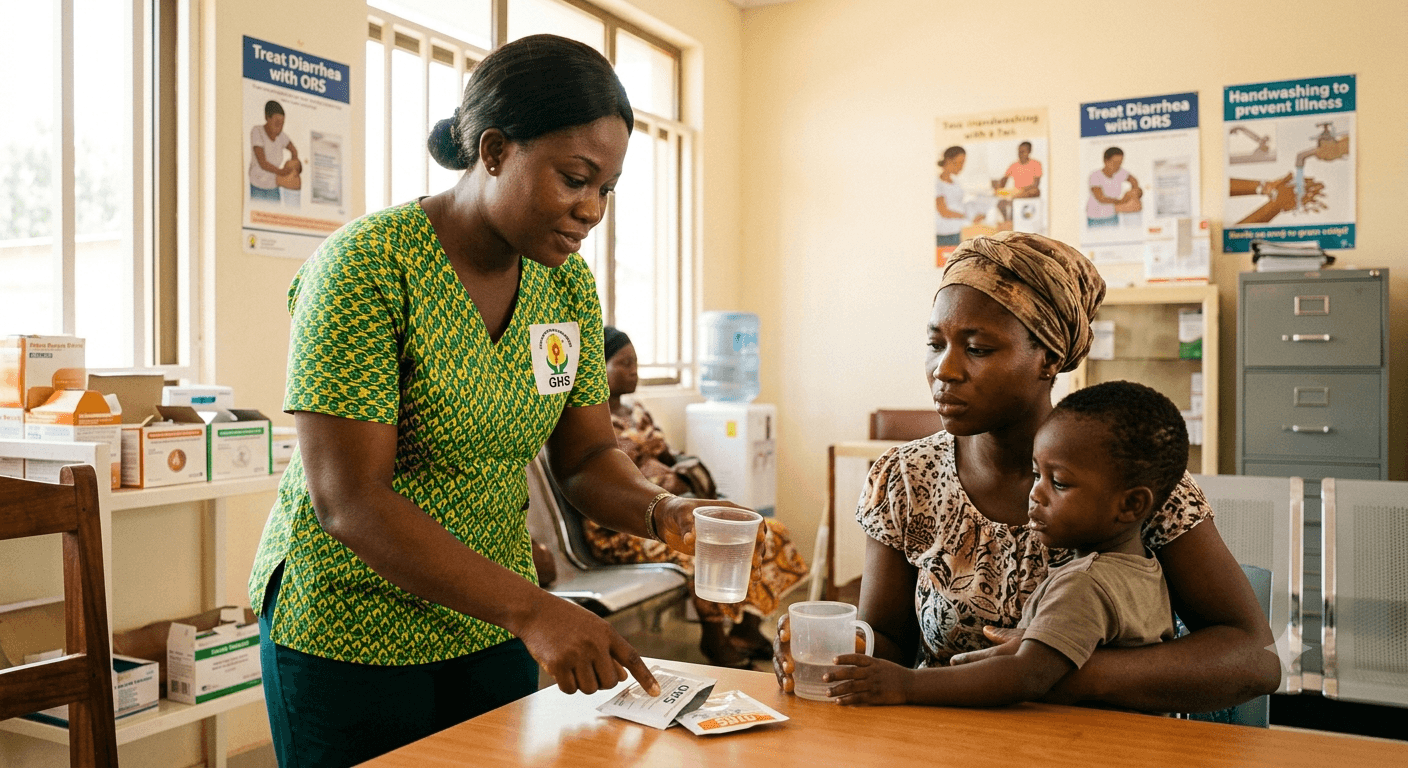
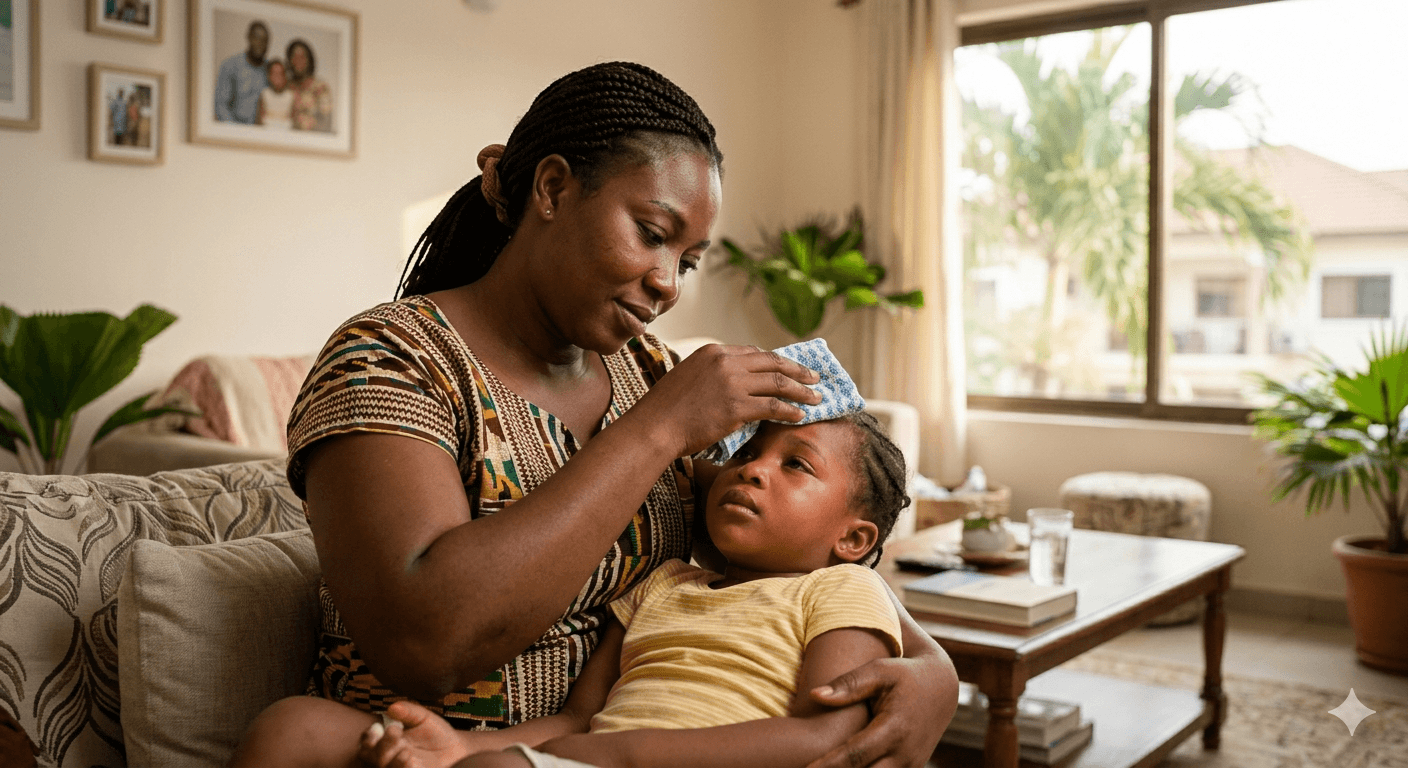
For supportive care, rest, adequate hydration, and paracetamol to manage fever are important alongside antimalarial drugs. If you're unsure about symptoms or need a prescription review, a Fever consultation with a DrDoGood doctor can be arranged quickly from your phone.
---
How to Prevent Malaria in Ghana
Prevention is always better than cure. Evidence-based strategies include:
- Sleep under an insecticide-treated mosquito net (ITN) every night — this remains the single most effective household-level prevention tool.
- Apply insect repellent containing DEET to exposed skin, especially in the evenings.
- Wear long-sleeved clothing at dawn and dusk when mosquitoes are most active.
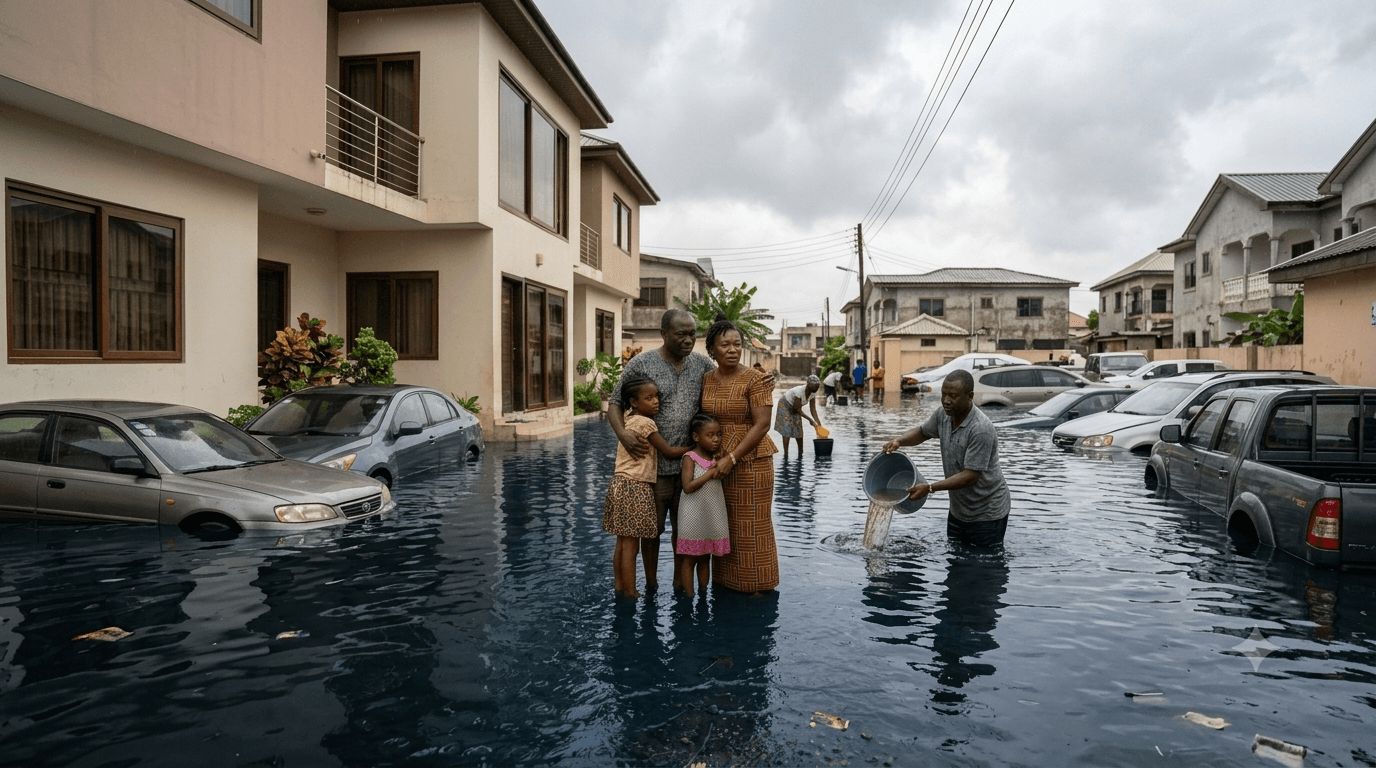
- Eliminate standing water around your home — mosquitoes breed in stagnant water in gutters, tyres, and containers.
- Indoor residual spraying (IRS) with insecticides can protect entire households.
- For travellers or those in high-risk situations, preventive antimalarial medication (chemoprophylaxis) may be recommended — speak to a doctor before travel.
---
When to See a Doctor for Malaria Symptoms
See a doctor within 24 hours if you experience fever, chills, or headache — especially if you have been exposed to mosquitoes or live in a malaria-endemic area like Ghana. Children, pregnant women, elderly people, and those with weakened immune systems should seek care even faster.
Do not wait to see if symptoms resolve on their own. Malaria can deteriorate from mild to severe within 24–48 hours, particularly with P. falciparum infection.
DrDoGood makes it easy to consult a qualified Ghanaian doctor from anywhere. Whether you need a diagnosis, a prescription, or just reassurance, our doctors are available for same-day virtual consultations.
---
This article is for informational purposes only. Always consult a qualified healthcare provider before making health decisions.
Sources: