

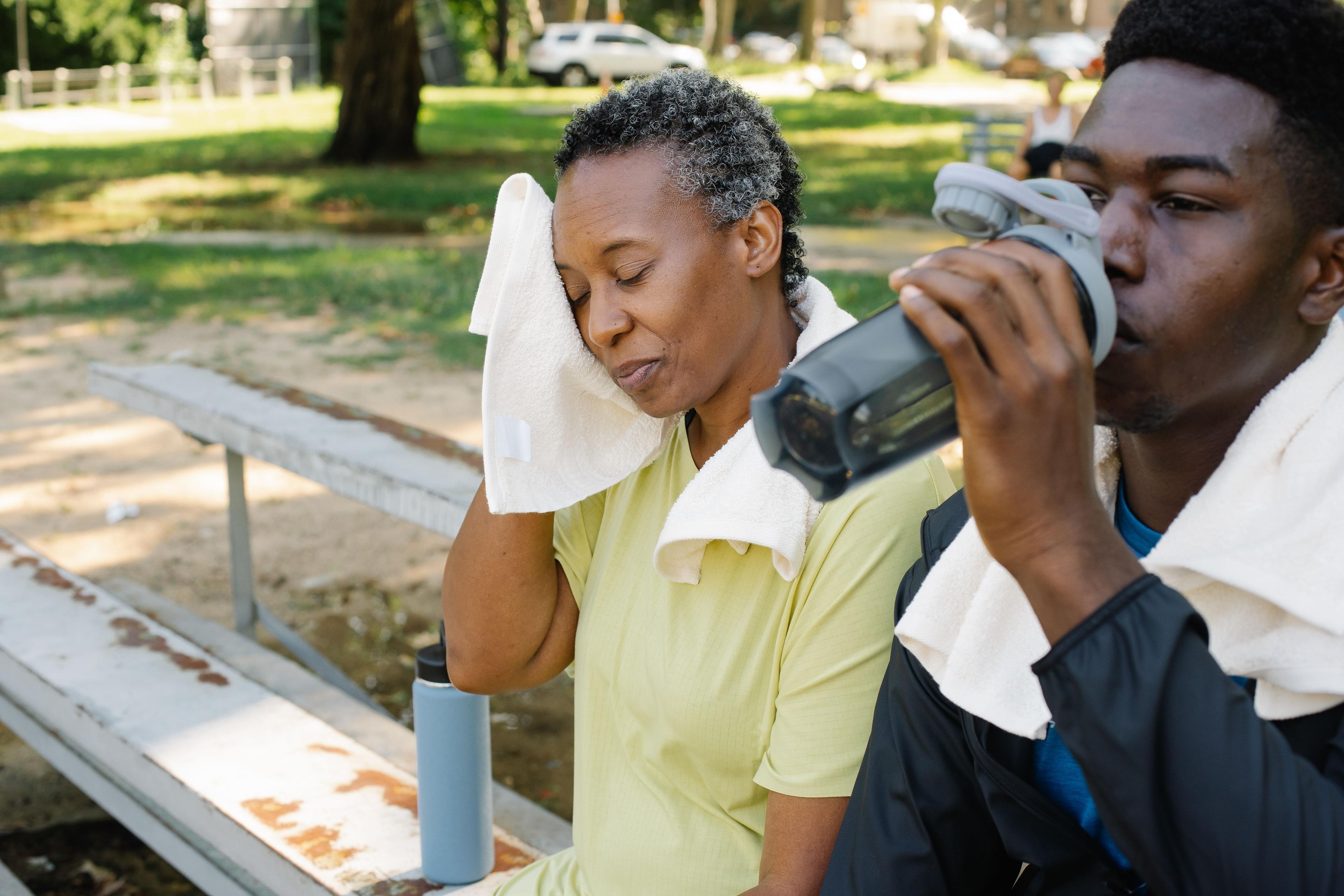
El Niño is a natural climate pattern in which the surface of the central and eastern Pacific Ocean becomes warmer than normal for several months, and it shifts weather around the world. It's a Pacific event, thousands of kilometres from Accra, yet you may hear it blamed for everything from hot afternoons to rising food prices. This guide explains what it actually does, and what it doesn't, for health in Ghana and West Africa.
NOAA's Climate Prediction Center, which tracks the pattern and publishes regular ENSO updates, has a strong El Niño in progress as of October 2026.
What causes El Niño?
Normally, trade winds push warm water towards the western Pacific. In an El Niño, those winds weaken and the warm water spreads east. This changes where air rises and sinks, and the effects ripple through the atmosphere. It tends to return every two to seven years and usually lasts around nine to twelve months. Its cooler counterpart is called La Niña. Together they're known as ENSO (El Niño Southern Oscillation). You can read a plain-language explanation on NOAA's Climate.gov ENSO page.
How does El Niño affect West Africa and Ghana?
Here we need to be careful, because the headlines often aren't.
Rainfall. El Niño years tend to be somewhat drier across parts of the Sahel, and that can nudge the rainy season in the wrong direction for farmers in northern Ghana, Burkina Faso, Mali and Niger. For coastal and southern Ghana, the signal is weaker and less reliable. Local factors, like Atlantic sea temperatures and the movement of the rain belt, matter more. The Ghana Meteorological Agency (GMet) issues the seasonal forecasts that tell you what's expected in your region. Trust those over general El Niño headlines.
Heat. El Niño can add slightly to background global warming. But it doesn't cause West African heat waves. When World Weather Attribution studied the extreme heat in Mali and Burkina Faso in April 2024, it found El Niño added only a small fraction of a degree. Climate change and local conditions did far more. If you want to protect yourself on very hot days, see our guide on heat waves and your health (we're linking it from the DrDoGood health library).
What are the health effects?
Food insecurity: the strongest link
If rains falter in the north, harvests of maize, millet, sorghum and groundnuts can suffer. Smaller harvests mean higher market prices and thinner family meals. For children, pregnant women and older people, that shows up as poor nutrition, weight loss, anaemia and weaker resistance to infections. This is where El Niño's health effect is most credible. The WHO has long flagged food and nutrition as a major pathway through which climate events harm health.

Malaria, cholera and meningitis: be cautious
You'll see claims online that El Niño drives these diseases. In parts of East Africa and South America, links to rainfall-driven outbreaks have been studied. For West Africa, the evidence is weak or unproven, and the three diseases respond to local conditions more than to the Pacific.
- Malaria depends on rainfall, standing water, temperature and how well bed nets and treatment are used. Our guide to preventive measures against malaria applies in every year, El Niño or not.
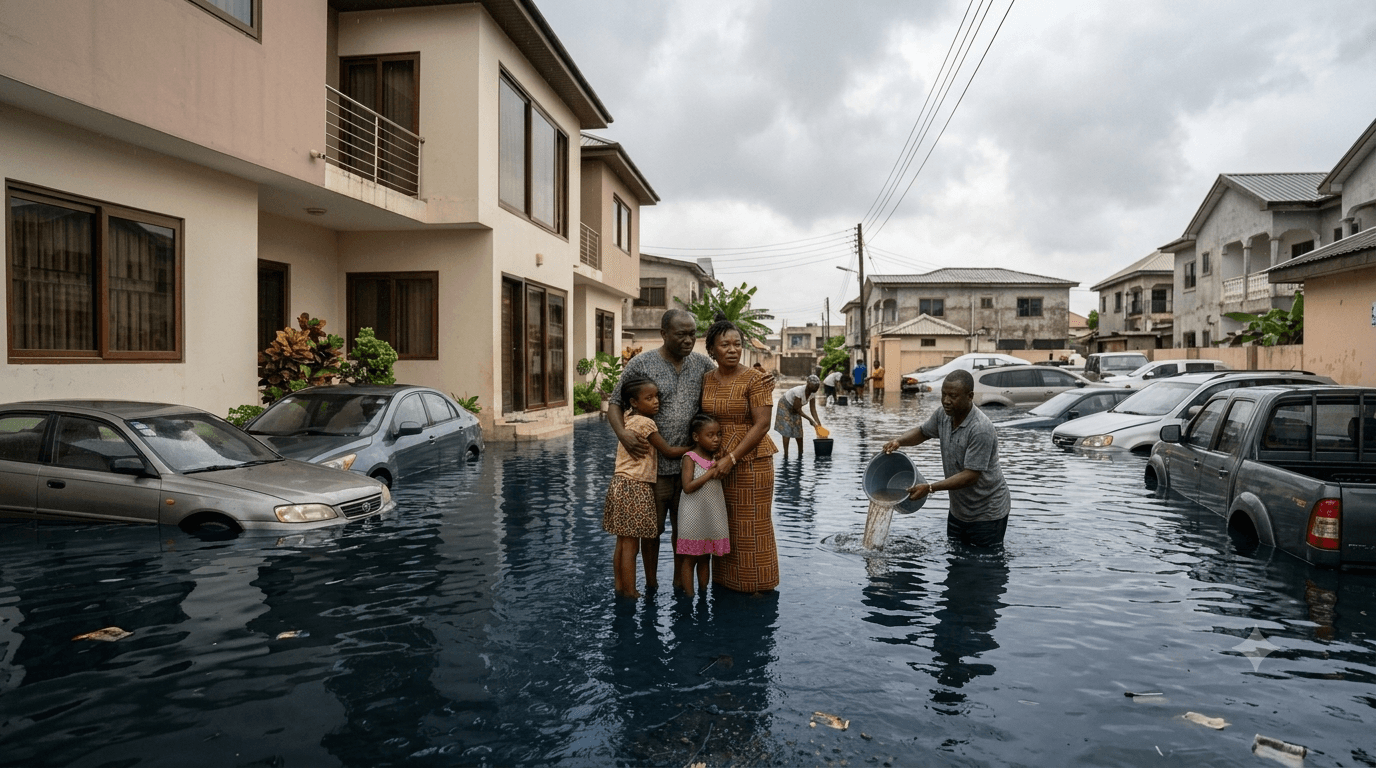
- Cholera follows unsafe water and poor sanitation, which flooding or water shortages can worsen. Read What Is Cholera? Symptoms, Causes & Safety After Accra Floods.
- Meningitis peaks in the dry, dusty harmattan season in the northern meningitis belt. Dry conditions matter, but no firm El Niño link has been established for West Africa.
The Ghana Health Service is the place to check for official outbreak notices and vaccination campaigns.
What can you do to protect your family?
You don't need to panic. A few habits cover most of the risk.
1. Store a bit of food. If you buy staples in bulk, do it early and keep them dry. Don't skip meals to stretch the budget. Children and pregnant women need steady nutrition most. 2. Keep drinking water safe. If taps run dry, store water in clean, covered containers, and treat or boil it if you're unsure of the source. Wash hands with soap before eating and after the toilet. 3. Stay hydrated in hot spells. Drink water through the day, not only when thirsty, and avoid the midday sun for hard labour. 4. Keep malaria protection going. Sleep under a treated net, clear standing water, and get tested for any fever rather than guessing. 5. Stay current on vaccines. Meningitis, cholera and childhood vaccines are worth checking, especially if you travel to or live in the north. 6. Check your own pulse. Use the AIDA health assistant in the DrDoGood app to ask questions about symptoms, and keep track of your weight and blood pressure in the biomarker dashboard if you have a chronic condition.
When should you see a doctor?
Get care promptly if you or your child has:
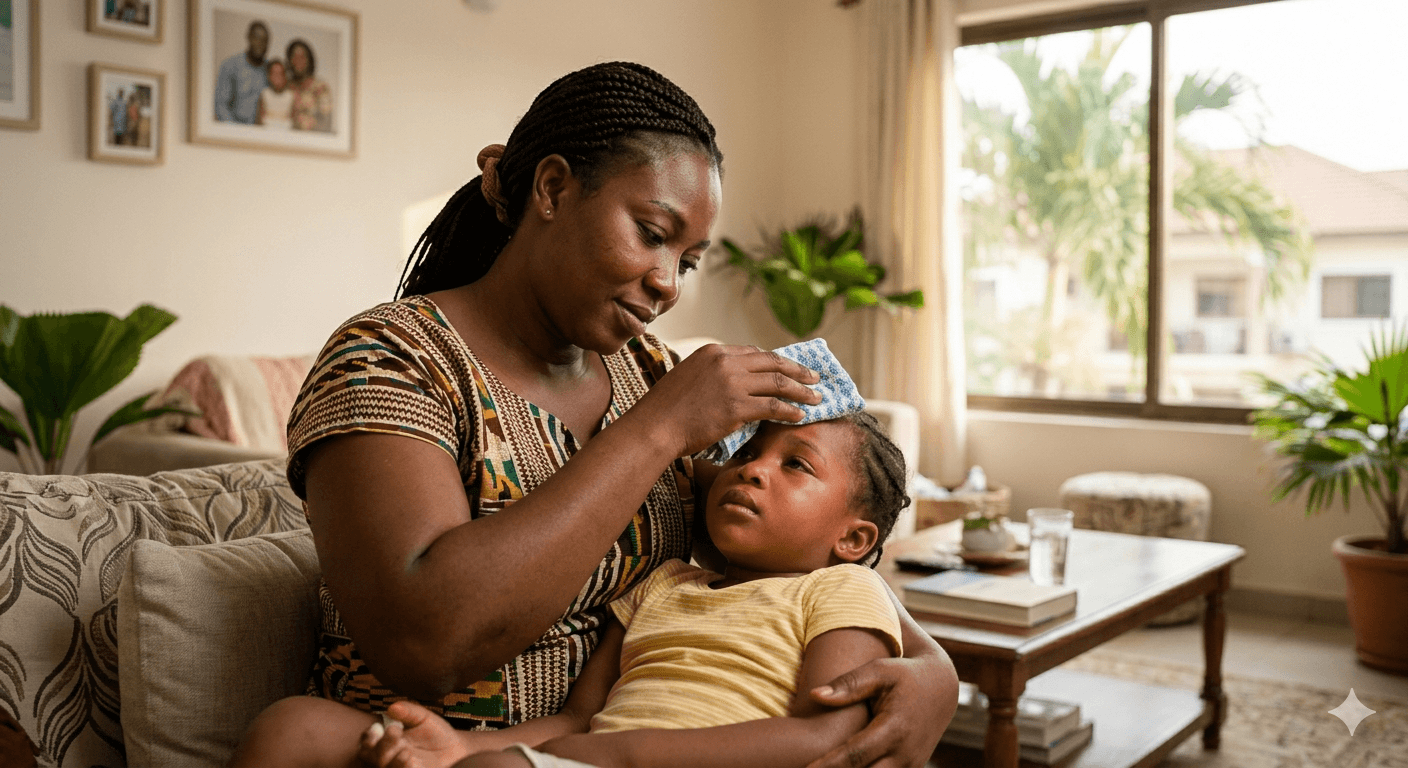
- A fever that lasts more than a day or two, or comes with chills, vomiting or severe headache. Don't assume it's "just the heat".
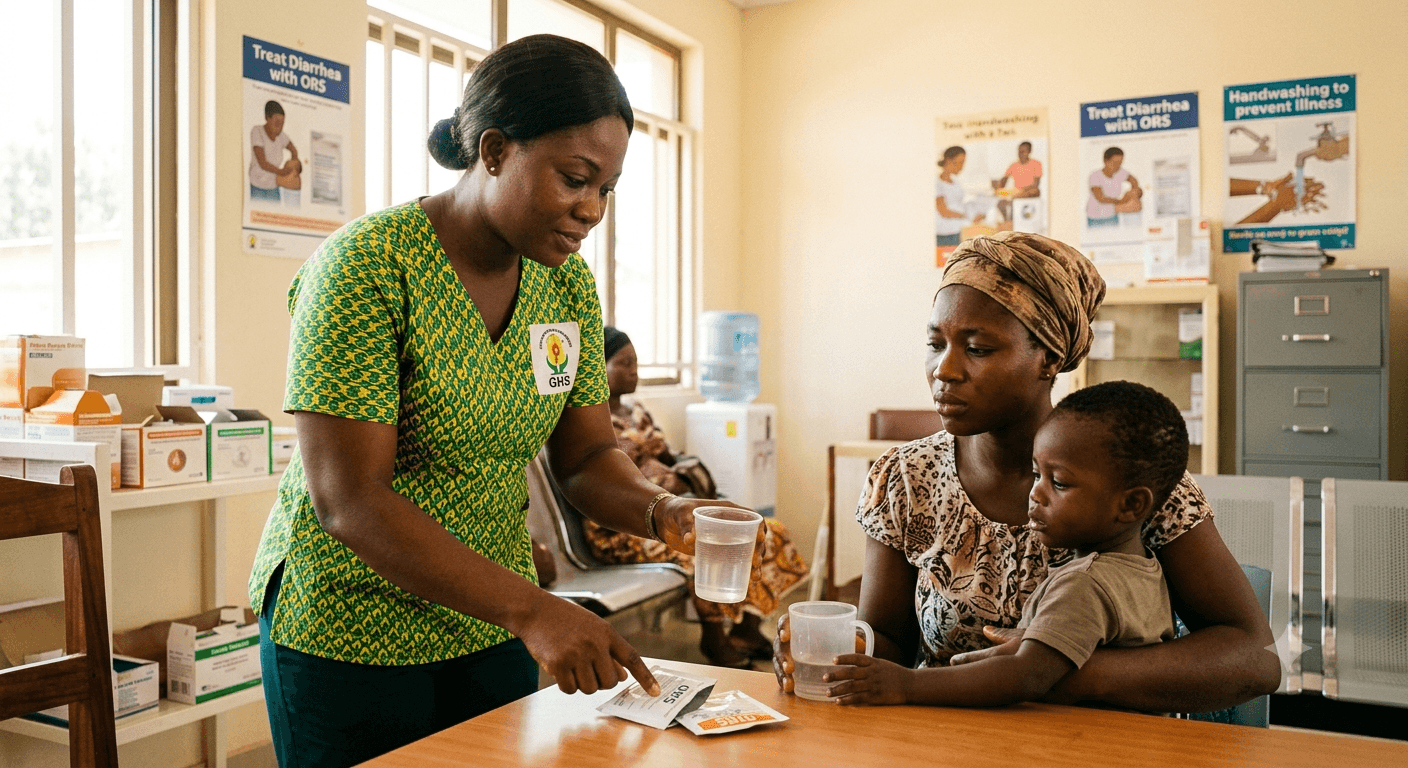
- Watery diarrhoea with signs of dehydration: very dry mouth, sunken eyes, little or no urine, or extreme tiredness.
- A stiff neck, sensitivity to light, confusion or a rash with fever. This needs emergency care at the nearest hospital.
- Poor weight gain, swollen feet, or visible wasting in a child.
- Confusion, a very fast heartbeat or fainting after time in the heat.
For anything less urgent, you can book a consultation with a DrDoGood doctor from your phone and describe your symptoms in the app, or ask about malaria and tropical illness. Our doctors can advise on testing, order labs and send prescriptions you can have delivered. If you're worried about nutrition for your family, you can also see a nutrition specialist through the app.
The bottom line
El Niño is something to watch, not to fear. In Ghana its most reliable health effect runs through food and farming, and mainly in the north. Heat, malaria, cholera and meningitis all depend on local conditions, and prevention for them stays the same. Follow GMet forecasts, keep your water safe, eat regularly, and speak to a doctor early when something feels off.
This article is for informational purposes only. Always consult a qualified healthcare provider before making health decisions.